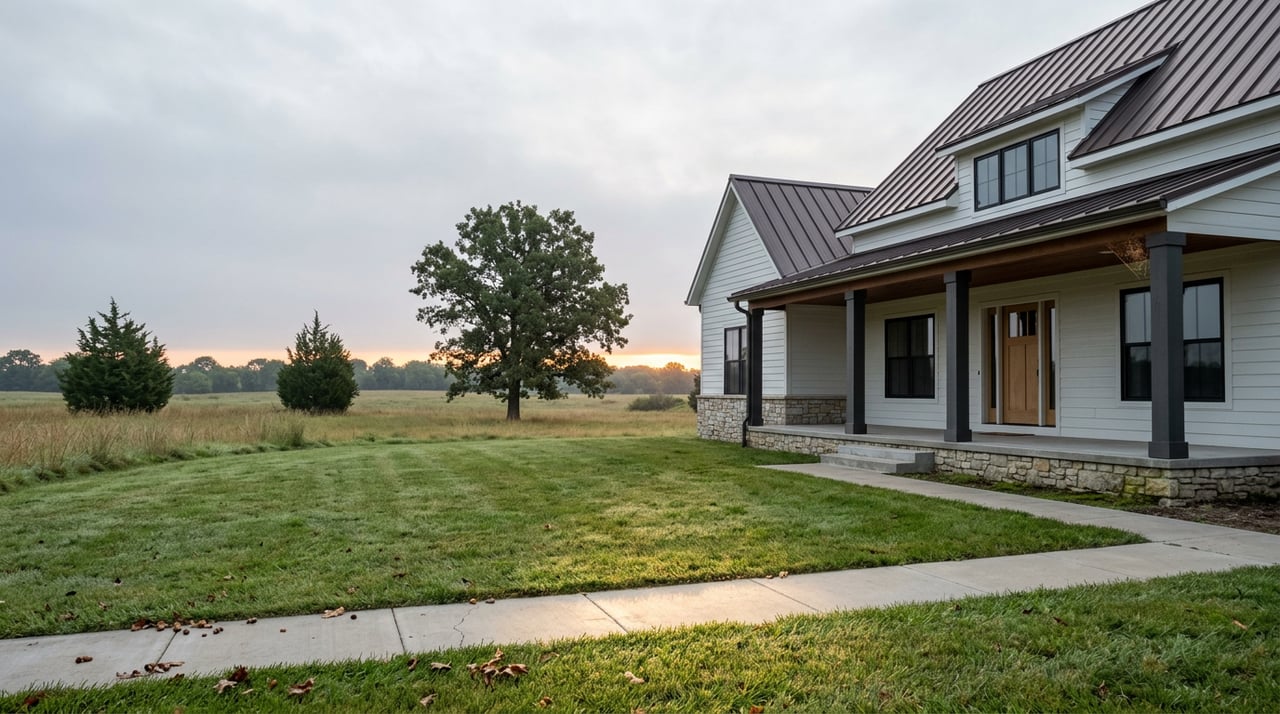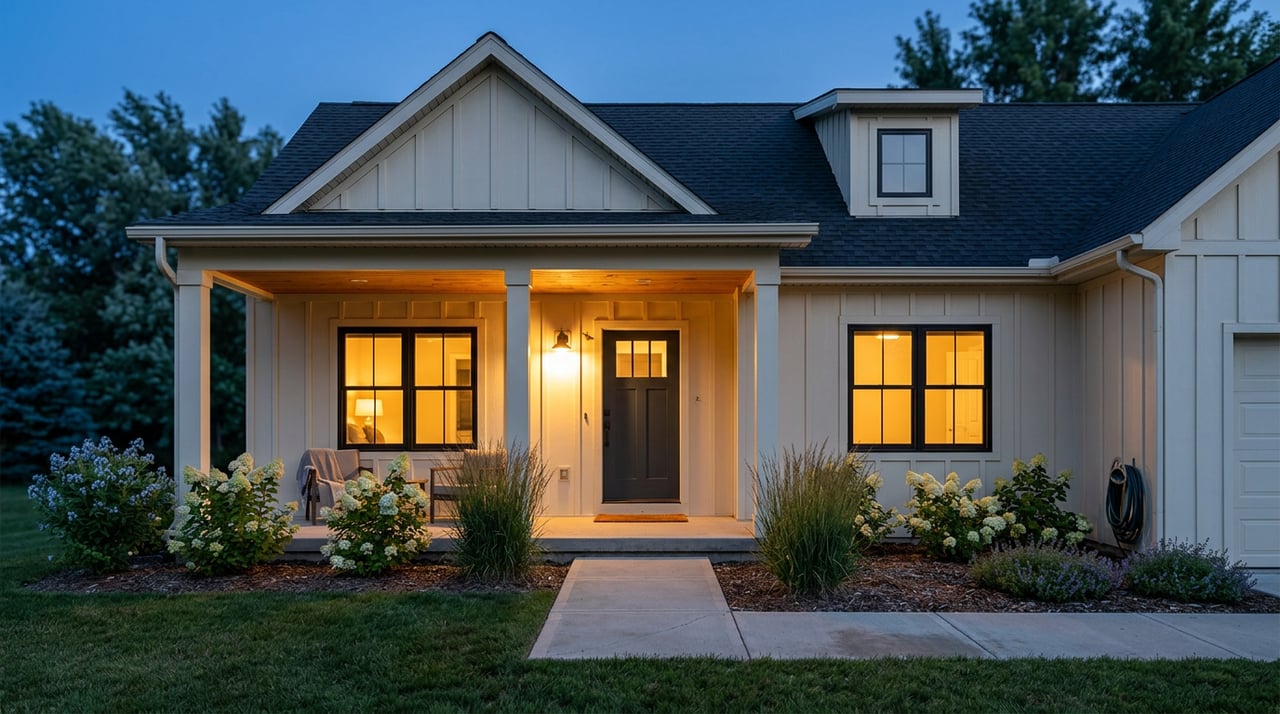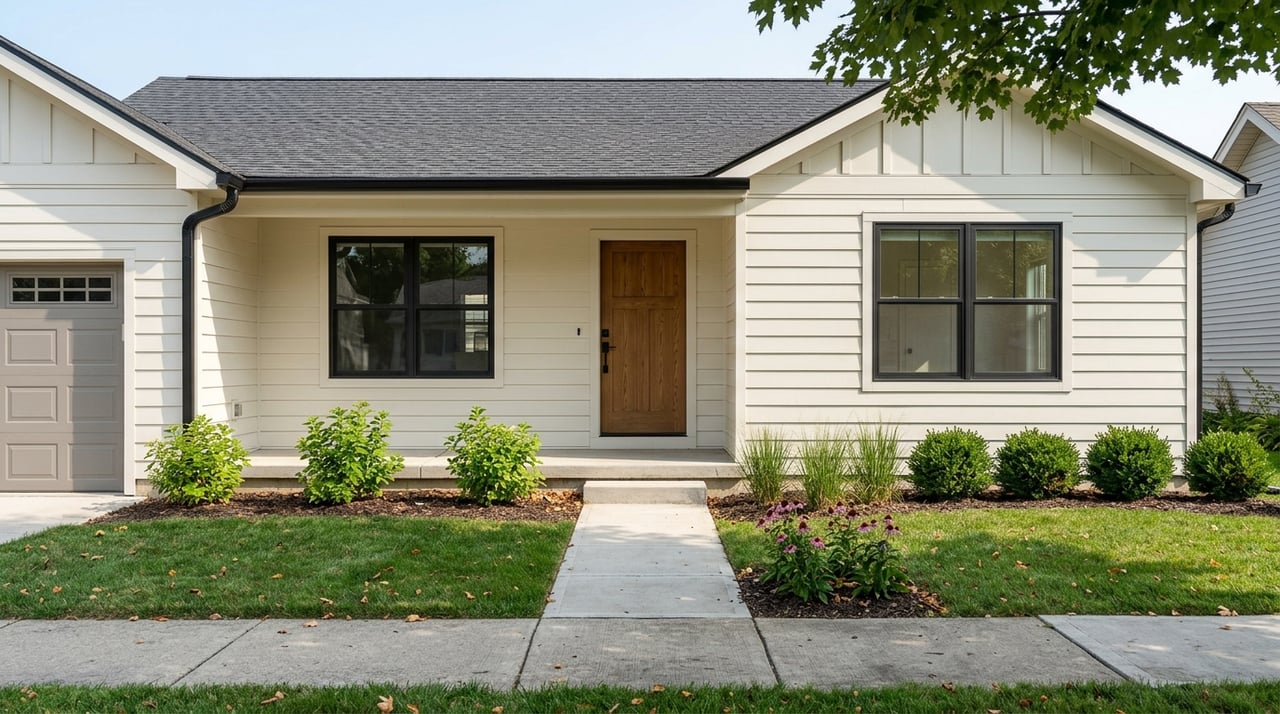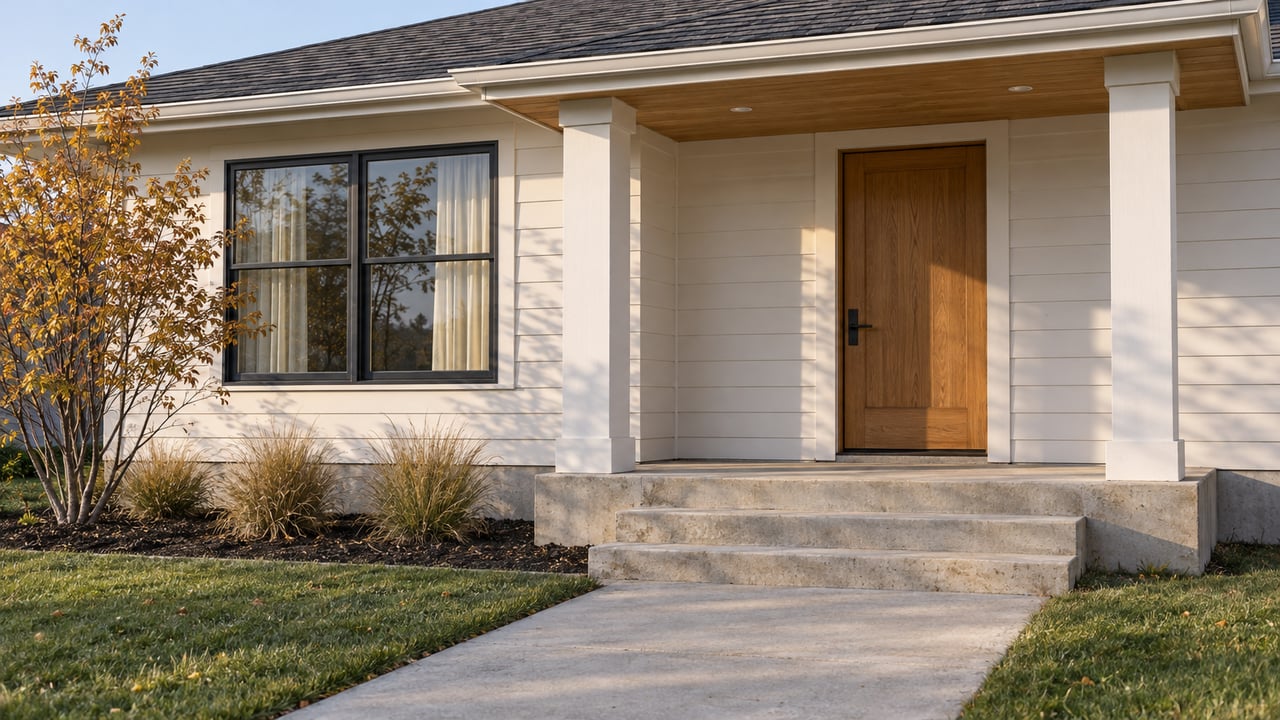
South and west of Eagle Scout Park, between the BNSF main line and Airport Road, sits land the State of Nebraska once held for the Nebraska Veterans Home. When the Veterans Home moved to Kearney, the state returned the land to the City of Grand Island. Today it is mostly open ground under city ownership. If the Good Life District agreement goes forward, it becomes Veterans Village: a sports complex, a site for an aquatics center, a bigger Eagle Scout Lake, new trails and, eventually, houses.
Those houses would be paid for differently from almost anything else built in Grand Island. Under the plan, much of the cost of the streets, sewers and site work beneath a new home would come from an annual levy on the property, repaid over decades. It would not be fully built into the lot price at closing. Anyone who someday compares a Veterans Village home with a house across town will need to compare the tax bill along with the asking price.
CID debt and levy statements
Nebraska's new Community Improvement District Act, passed as LB 1114 and operative April 17, 2026, covers community improvement districts, or CIDs.
Each CID must file a statement by Dec. 31 of every year. It lists the district's trustees, its warrant and bond debt as of the previous June 30, and its current tax levy.
The debt figure is what the district owed on its bonds and warrants as of the previous June 30. The levy is what owners pay each year, and the statute lets that money go toward those bonds and warrants and the district's other authorized expenses.
Why the cost moves from the lot to the levy
Developing land usually works like this. Before the first house goes up, someone pays for grading, roads, sewer, water and power. That cost gets folded into lot prices, and the first buyer pays it through the purchase price and the mortgage.
A CID changes who pays and when. The Nebraska Examiner described the law as letting property owners inside city limits form a district that issues long-term, tax-exempt bonds for streets, sewers and other public infrastructure. The district's board then sets a levy that pays down that debt over 20 to 30 years, on top of other property taxes. In the same article, Adam Flanagan of Bluestem said homes in a Nebraska CID are expected to cost 15 to 20% less, on average, than if the infrastructure cost were built into the purchase price.
The proposed trade is a lower price for a recurring tax later. Several details in the statute shape that trade:
- No statewide rate cap. The maximum levy comes from the district's articles of organization and is approved by city ordinance.
- A long horizon. The act gives a CID "perpetual existence," and its bonds can run up to 30 years.
- The county collects it. The county treasurer collects the CID's taxes and special assessments.
- The city keeps a say. The city council forms a CID by ordinance after a hearing, and the city must approve improvement plans and estimated costs before construction.
The tool is new. In June, the Nebraska Examiner reported that Blair's 137-unit Bear Creek project was the first Nebraska effort to set up a CID. If Veterans Village forms one, Grand Island would be among the earliest places in the state to try it.
What the agreement proposes for Veterans Village
The Grand Island City Council approved the Good Life District agreement with Woodsonia Real Estate on Sept. 8, 2026, by an 8-1-1 vote. Section 2.5 of the agreement covers the CID. It says Woodsonia "will request in its Petition that the maximum levy possible be $1.50 per $100 of taxable valuation." The proposed boundaries cover the developer's property but leave out the area expected to hold the sports complex. The developer will also ask that the levy be allowed to pay for public infrastructure, related site preparation and soft costs.
This is how a $1.50-per-$100 levy works out at a few taxable home values. It is the maximum the developer plans to request; the city ordinance sets the final cap.
| Taxable value | Levy at $1.50 per $100 |
|---|---|
| $250,000 | $3,750 a year |
| $300,000 | $4,500 a year |
| $350,000 | $5,250 a year |
The $300,000 row matches what Woodsonia's director of development, Mitch Hohlen, told the council. As Central Nebraska Today reported, Hohlen said the owner of a $300,000 house would pay $4,500 in property taxes and up to $4,500 more for the CID. He added that there "needed to be a compelling reason for someone to build a house at Veterans Village." Council member Mitch Nickerson said he thought the CID cost was a "big price to pay" for living there.
Both of them were describing the same trade-off. In this plan, the "compelling reason" is meant to be the public amenities next door, and the state largely pays for those.
Who pays for the sports complex
The Good Life District has two money streams, and they come from different people.
The sports complex, the aquatics site, the lake and the trails are funded mainly with sales tax. When Mayor Roger Steele explained the agreement after the vote, he said the state gave up half of the state sales tax it collects inside the Good Life District, "the most prominent feature of which is the Conestoga Marketplace." The city will issue bonds backed by that revenue. Shoppers at the Marketplace, wherever they live, help fund this side of the project.
The plan for the site includes:
- A 165,000-square-foot indoor sports complex with 16 volleyball courts, eight basketball courts, eight pickleball courts and 25,000 square feet of indoor turf
- Outdoor artificial-turf fields for baseball, softball, soccer, football and lacrosse
- A pad-ready site for an aquatics center and associated YMCA facility of about 100,000 square feet, with $22 million in Good Life District obligations reserved for it
- An expanded Eagle Scout Lake, at least 2 miles of new trail connected to existing city trails, an amphitheater, a public fishing pier and a pedestrian bridge
- About 11 acres conveyed to Grand Island Public Schools in pad-ready condition
The second stream is the CID levy. It would fall only on owners of property inside the district's boundaries, and it would pay for the infrastructure beneath their own neighborhood. Steele said full buildout of the recreation, commercial and housing pieces "will probably take a decade or two or more."
Zoning that allows small lots
On Oct. 27, the council voted 9-0 to rezone the land from Large Lot Residential to General Business and voted 9-0 to approve the Veterans Village Subdivision preliminary plat. The Hall County Regional Planning Commission had recommended both after its Oct. 7 hearing. The planning commission's agenda described a preliminary plat of 348.84 acres with 99 lots.
Community Development Director Chad Nabity wrote that the General Business zone allows homes at up to 42 units per acre, with a minimum lot of 3,000 square feet.
The dates that decide whether any of this happens
The Sept. 8 agreement does not take effect on its own. It becomes binding only if several conditions are met in time:
- Jan. 26, 2027: the latest date for the council to consider the final redevelopment plan, which authorizes up to $90 million in tax increment financing, in 15-year phases.
- 4:30 p.m., Jan. 28, 2027: the deadline for Woodsonia to notify the city clerk in writing that the operative events are complete. If it doesn't, the agreement "shall never become operative and shall be fully rescinded."
- Jan. 29, 2027: the agreement's operative date and the deadline for closing the land sale.
- After that: Woodsonia files the CID petition once it owns the land. Until then, Veterans Village has no CID and no levy.
Under this timeline, a new council and mayor would make some of these decisions. In September, Nickerson noted that new council members and a new mayor take office in December, and City Administrator Patrick Brown said decisions would continue into January.
FAQ
What boundaries are proposed for the CID? The proposed boundaries cover the developer's property at Veterans Village and leave out the sports complex area.
What does the $1.50-per-$100 figure represent? It is the maximum Woodsonia plans to request.
What does the statute say about CID districts and bonds? The statute lets CID bonds run up to 30 years and gives the district itself perpetual existence. The Nebraska Examiner described bond repayment periods of 20 to 30 years.
Where would the levy show up? The county treasurer collects it, and the district's Dec. 31 statement lists the current rate.
This post is general information about a new state law and a pending local agreement. It is not legal, tax or financial advice, so please confirm how any CID would affect your own situation with an attorney, tax professional or lender.
If you're thinking about building or buying in Grand Island's newer developments, contact Summit Real Estate. We'll keep watching the Jan. 28 deadline.