Buying your first home in Lincoln can feel exciting right up until you realize every neighborhood comes with a different tradeoff. You may be weighing price, commute, home style, trail access, school boundaries, or whether an older home will need updates. The good news is that you do not need to guess your way through it. With a clear plan, you can narrow your options and choose a Lincoln neighborhood that fits how you actually live. Let’s dive in.
Start With Budget First
Before you compare blocks, parks, or home styles, set a firm budget range. In June 2026, Lincoln’s median sale price was $301,935, homes averaged 26 days on market, the sale-to-list ratio was 101.4%, and 66.9% of homes sold above list price. That means many first-time buyers need to shop with a realistic ceiling and move quickly when the right home appears.
Your budget should include more than the monthly mortgage payment. In some Lincoln neighborhoods, an older home may offer a lower entry price in an established area, but it could also bring future repair or update costs. A newer home may reduce immediate maintenance needs, but that often comes with a different location and price tradeoff.
Lincoln’s long-range planning also notes that established areas include many smaller homes, which can be an important opportunity for first-time buyers. If your goal is simply getting into the market without stretching too far, those neighborhoods may deserve a closer look.
Compare Older and Newer Areas
One of the biggest neighborhood decisions in Lincoln is whether you prefer an established central area or a newer growth area. Neither option is automatically better. They simply solve different problems for different buyers.
Older Lincoln Neighborhoods
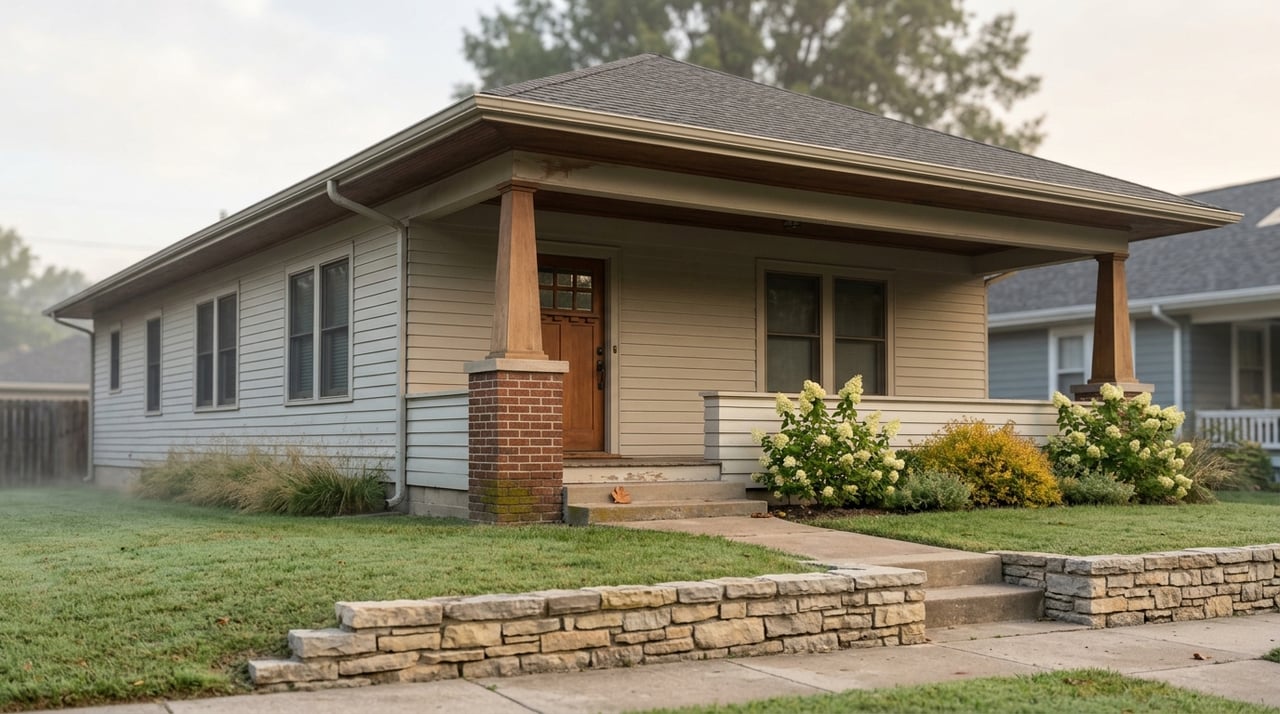
Older neighborhoods often appeal to buyers who want established streets, architectural variety, and smaller lots. Lincoln’s planning guidance shows that infill and redevelopment in pre-1950 residential areas are expected to fit the surrounding character, including things like street patterns, setbacks, block sizes, and rear parking patterns where those features define the area.
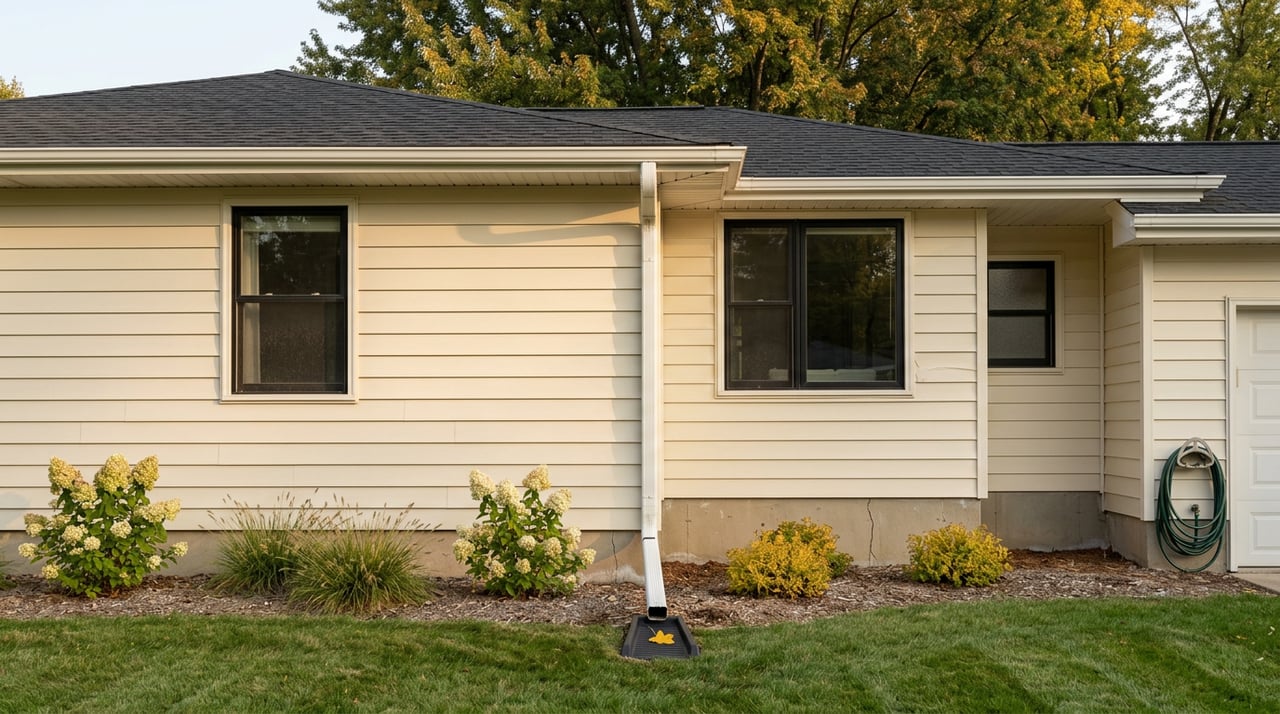
For you, that can mean a neighborhood with a more layered look and feel rather than a uniform subdivision layout. It can also mean more opportunities to find a smaller home, buy in a central location, and improve the property over time.
Newer Lincoln Growth Areas
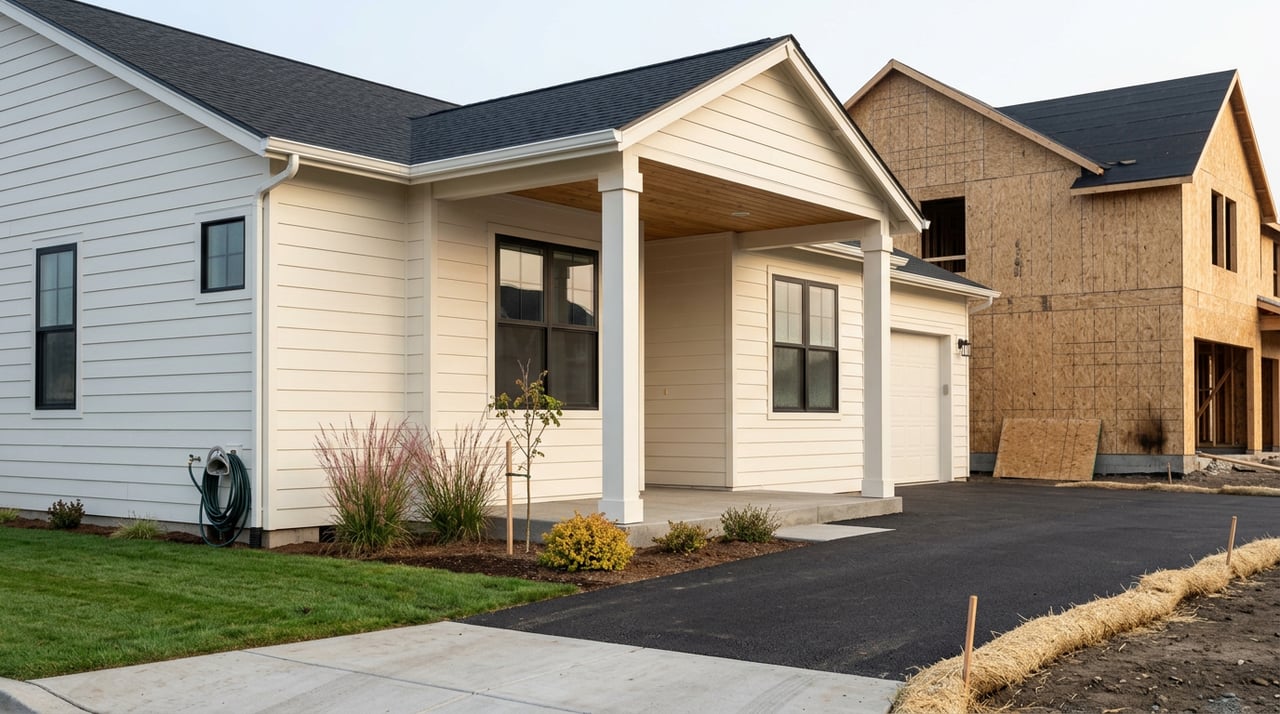
Newer neighborhoods are built in a different way. Lincoln’s planning documents say new neighborhoods should include a mix of housing types, commercial and employment opportunities, and a pedestrian orientation.
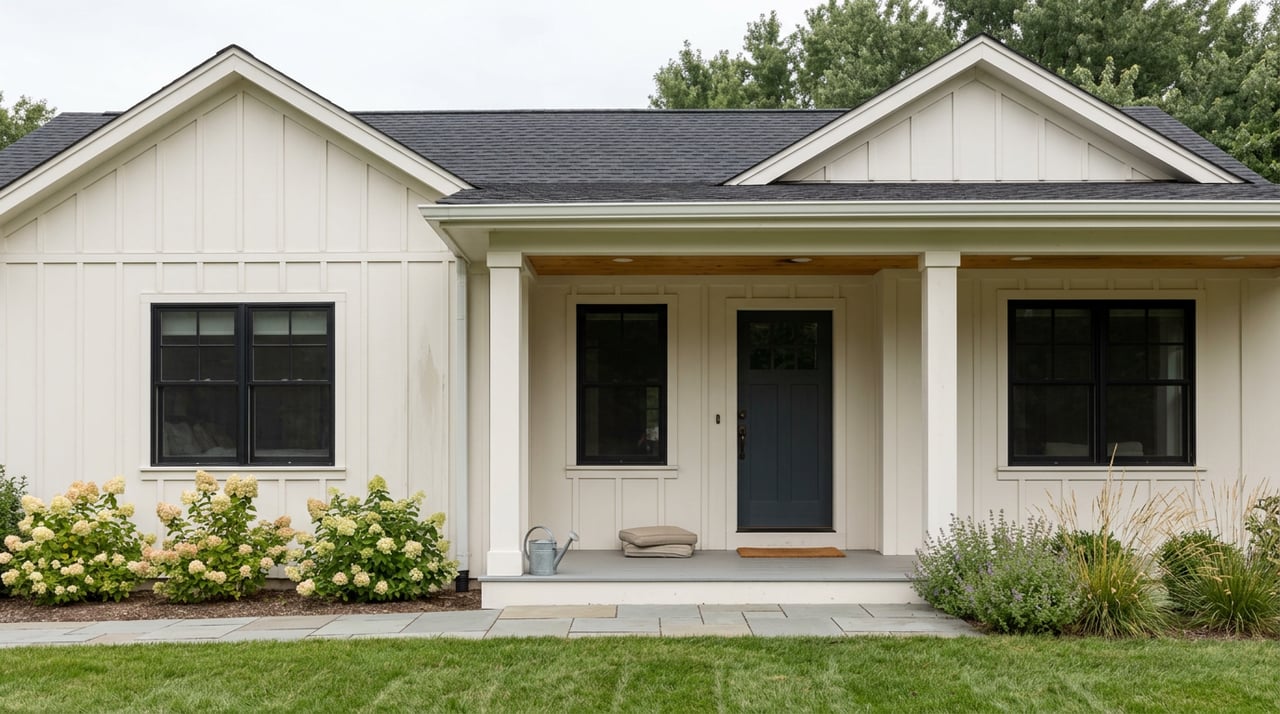
That often translates into more uniform development patterns, newer infrastructure, and homes that may need less work right away. If you value a newer house, more predictable subdivision layout, or a different mix of nearby conveniences, newer areas may be a better fit.
Redevelopment and Change Matter Too
Some parts of Lincoln are also seeing focused planning and improvement efforts. The city lists recent subarea plans for places such as Belmont, University Place, N. 33rd and Cornhusker, Downtown, and South Haymarket, along with focus-area work in places including 40th & A, Indian Village, Clinton, and South Salt Creek.
That does not make any one area right or wrong for you. It simply tells you that some neighborhoods may be in a period of visible change, while others may feel more settled. As a first-time buyer, it helps to know whether you want a long-established pattern or an area with more ongoing redevelopment activity.
Match the Neighborhood to Your Commute
A neighborhood can look great on paper and still feel wrong if your daily routine becomes harder. That is why commute style should be part of your first round of neighborhood comparisons, not an afterthought.
Lincoln gives you more than one way to think about getting around. StarTran provides fixed-route bus service for trips to work, school, medical appointments, food, entertainment, and more within city limits. Lincoln also has a large parks and recreation system with 168 parks and 185.9 miles of trails.
Think in Three Commute Styles
A simple way to compare neighborhoods is to sort them by the kind of daily movement you want most:
- Car-first: You may prefer easier parking, a quieter street pattern, or a location built around driving.
- Transit-friendly: You may want access to a bus route, a shorter trip to work, or easier access to central destinations.
- Trail-friendly: You may value access to trails, parks, and outdoor routes for exercise or day-to-day movement.
This approach can quickly narrow the field. A neighborhood near downtown, the University of Nebraska-Lincoln, or a bus corridor may suit a buyer who wants central access. A more suburban pocket may offer a different balance, with newer homes, more parking, and a different street layout.
Trails Can Shape Daily Life
In Lincoln, trail access is not just a bonus feature. In some areas, it directly affects how a neighborhood feels and functions. The city notes that the Tierra/Williamsburg trail weaves through neighborhoods and parks, connects to the South Pointe and Pine Lake trails, and expanded along with southwestern Lincoln’s growth.
Other trail links connect places such as Haymarket and Wilderness Park. If you like the idea of regular outdoor access close to home, trail-connected neighborhoods may move higher on your list.
Check Home Type and Upkeep Expectations
As a first-time buyer, it helps to be honest about what kind of home you want to maintain. Some buyers are happy to take on updates over time. Others want the most move-in-ready option they can afford.
Lincoln’s housing policy supports a broad mix of housing options, including single-family homes, townhomes, apartments, and housing for older adults in both new and existing areas when the fit is compatible. That means your neighborhood search should include the kind of housing stock you are actually comfortable owning, not just the area name.
If you are looking at older homes, remember that Lincoln also offers resources that may matter over time. The city lists home rehabilitation loans, healthy homes grants, lead hazard support, and a historic restoration program for Hawley. For some buyers, that makes an older home feel more manageable rather than out of reach.
Verify School Boundaries Early
If school assignment matters to your household, verify it at the start of your search. Do not wait until you are close to making an offer.
Lincoln Public Schools provides a boundaries map and school lookup tool. The district also assigns attendance areas to newly annexed property before lots are sold, which helps buyers confirm assigned schools in advance.
The key point is simple: treat school boundaries as a location detail that needs to be checked property by property. In Lincoln, that information is available, so it should be part of your first comparison process.
Understand Associations and Rules
Two neighborhoods may seem similar until you learn one has a mandatory HOA and the other has a voluntary neighborhood association. That difference can shape your monthly costs, expectations, and level of involvement.
Lincoln explains that neighborhood associations are voluntary and open to both owners and renters. HOAs are mandatory and limited to property owners. The city also maintains an interactive map for both, which can help you understand what type of neighborhood structure you are considering.
If you value flexibility, or if you want clear standards and shared expectations, this step matters. It is much easier to sort that out before you fall in love with a home.
Use a Simple Neighborhood Scorecard
When you start touring areas, keep your process practical. A simple scorecard can help you compare neighborhoods based on the factors that matter most to you.
You might rate each area on:
- Price range
- Home age and condition
- Commute style
- Trail or park access
- Nearby daily conveniences
- School boundary fit
- HOA or association structure
- Comfort level with future updates
This keeps emotion from taking over too early. It also helps you notice when one neighborhood consistently checks more of your boxes than another.
Focus on Fit, Not Perfection
The best Lincoln neighborhood for a first-time buyer is usually not the one with the longest feature list. It is the one where your budget, routine, home preferences, and long-term comfort line up most clearly.
In Lincoln, that could mean an established neighborhood with a smaller home and room to build equity over time. It could mean a newer area with less immediate maintenance. It could also mean a location in a district seeing planning attention and gradual change.
The goal is not to find a universally perfect neighborhood. The goal is to find the one that makes the most sense for you right now, with enough confidence that you can move forward without second-guessing every step.
If you want help narrowing down Lincoln neighborhoods and comparing what fits your budget and lifestyle, the team at Summit Real Estate is here to offer thoughtful, local guidance every step of the way.
FAQs
How competitive is the Lincoln housing market for first-time buyers?
- Lincoln was competitive in June 2026, with a median sale price of $301,935, average days on market of 26, a 101.4% sale-to-list ratio, and 66.9% of homes selling above list price.
Should I choose an older or newer Lincoln neighborhood?
- It depends on your priorities. Older neighborhoods may offer established character, smaller homes, and central locations, while newer areas may offer newer infrastructure, more uniform development, and different layout and location tradeoffs.
How can I compare Lincoln neighborhoods beyond home price?
- Compare neighborhoods by budget, commute style, home condition, trail and park access, school boundaries, daily conveniences, and whether the area has a voluntary neighborhood association or a mandatory HOA.
Are there first-time buyer resources in Lincoln, Nebraska?
- Yes. The City of Lincoln offers homeownership programs through NeighborWorks Lincoln for moderate-income first-time buyers, and the city also lists rehabilitation and healthy homes resources that may matter for older homes.
How do I verify school boundaries in Lincoln?
- Lincoln Public Schools provides a boundaries map and school lookup tool, and the district assigns attendance areas to newly annexed property before lots are sold.
Do Lincoln neighborhoods have HOAs or neighborhood associations?
- Some do. Lincoln says neighborhood associations are voluntary and open to owners and renters, while HOAs are mandatory and limited to property owners.