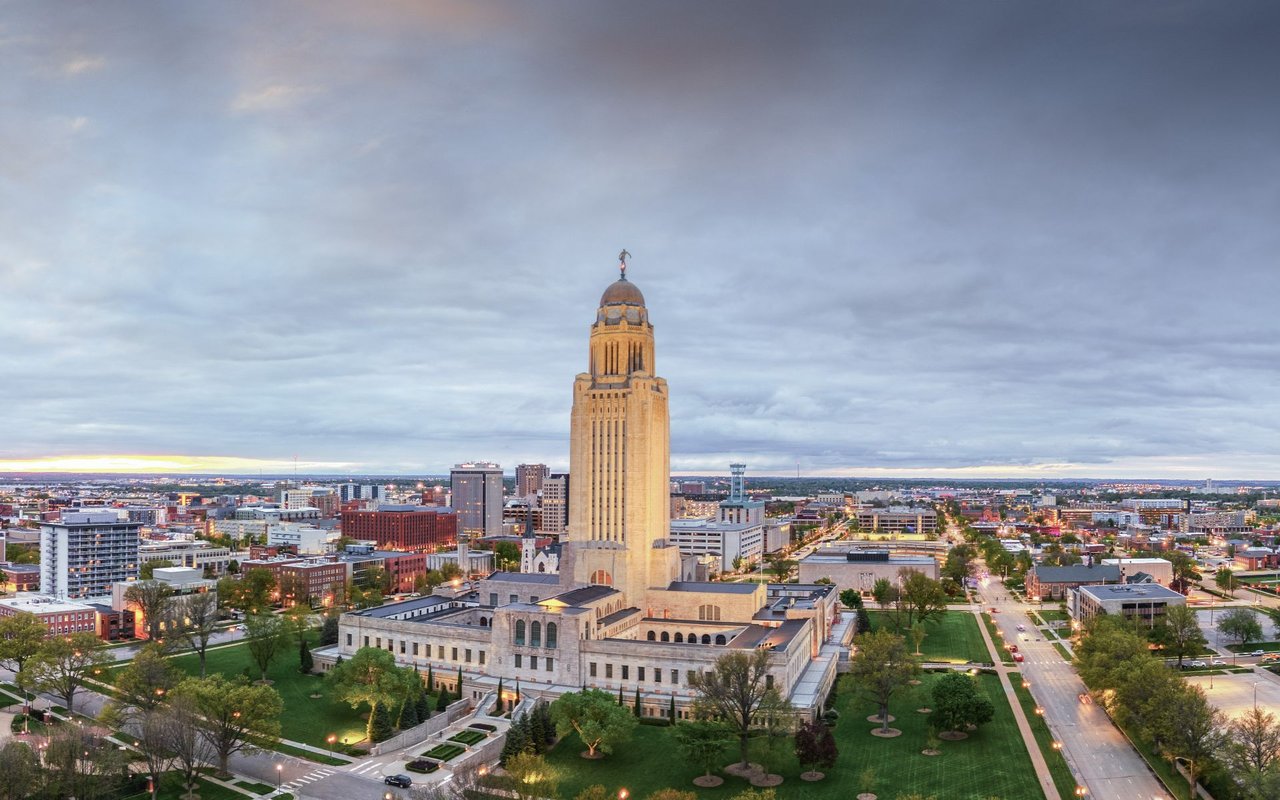
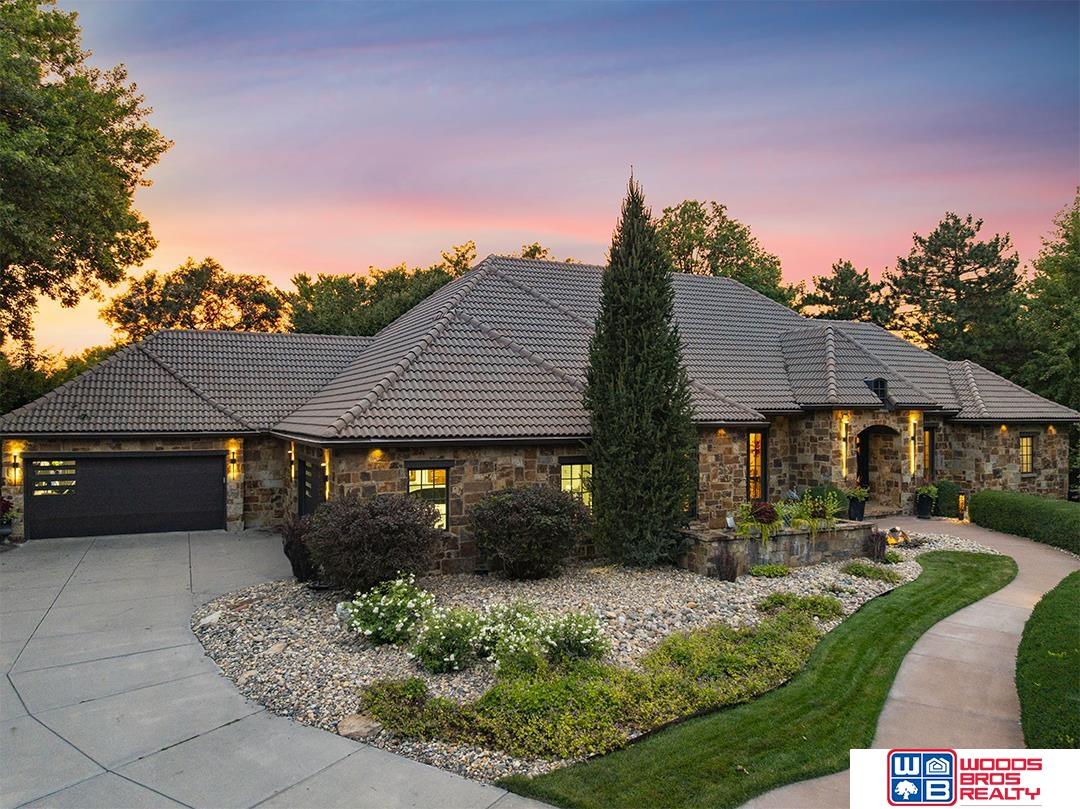
Established Character
Mature Lincoln neighborhoods can offer established streets, landscaping, architectural variety, older homes, and convenient connections to areas of the city that have evolved over generations.
Lincoln, Nebraska
Lincoln combines established neighborhoods, newer residential growth, distinctive urban districts, substantial homes, outdoor recreation, university energy, and the everyday conveniences of Nebraska's capital city.
Buyers exploring Lincoln real estate will find a residential landscape with genuine range. Historic homes and mature neighborhoods sit alongside newer construction, custom residences, downtown condominiums, larger properties, acreage, and land. Different parts of Lincoln can feel remarkably different from one another, giving buyers more than one way to shape their home search.
Downtown and the Historic Haymarket bring restaurants, entertainment, arts, events, and university activity into the center of the city. Established residential areas offer tree-lined streets and long-standing neighborhood character, while growth areas add newer homes and contemporary communities.
Lincoln also stands out for the amount of green space woven into the city. An extensive park and trail network, Pioneers Park, Wilderness Park, neighborhood recreation, and natural areas make outdoor living part of the city's broader identity rather than a feature confined to one location.
Why Buyers Explore Lincoln
Lincoln gives buyers room to compare not only different homes, but different versions of city living — from historic and urban settings to newer construction, substantial residences, acreage, and land.
Mature Lincoln neighborhoods can offer established streets, landscaping, architectural variety, older homes, and convenient connections to areas of the city that have evolved over generations.
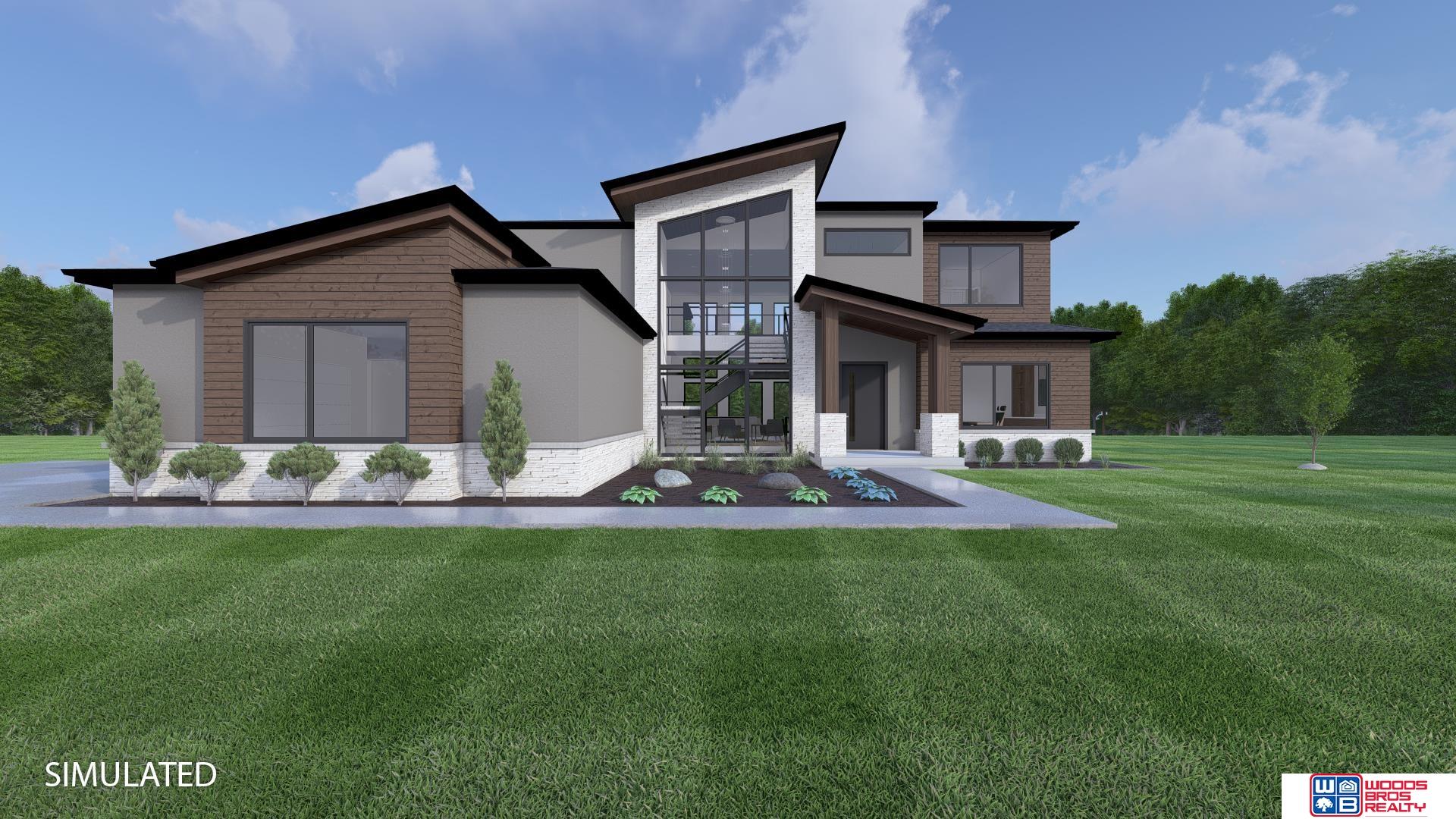
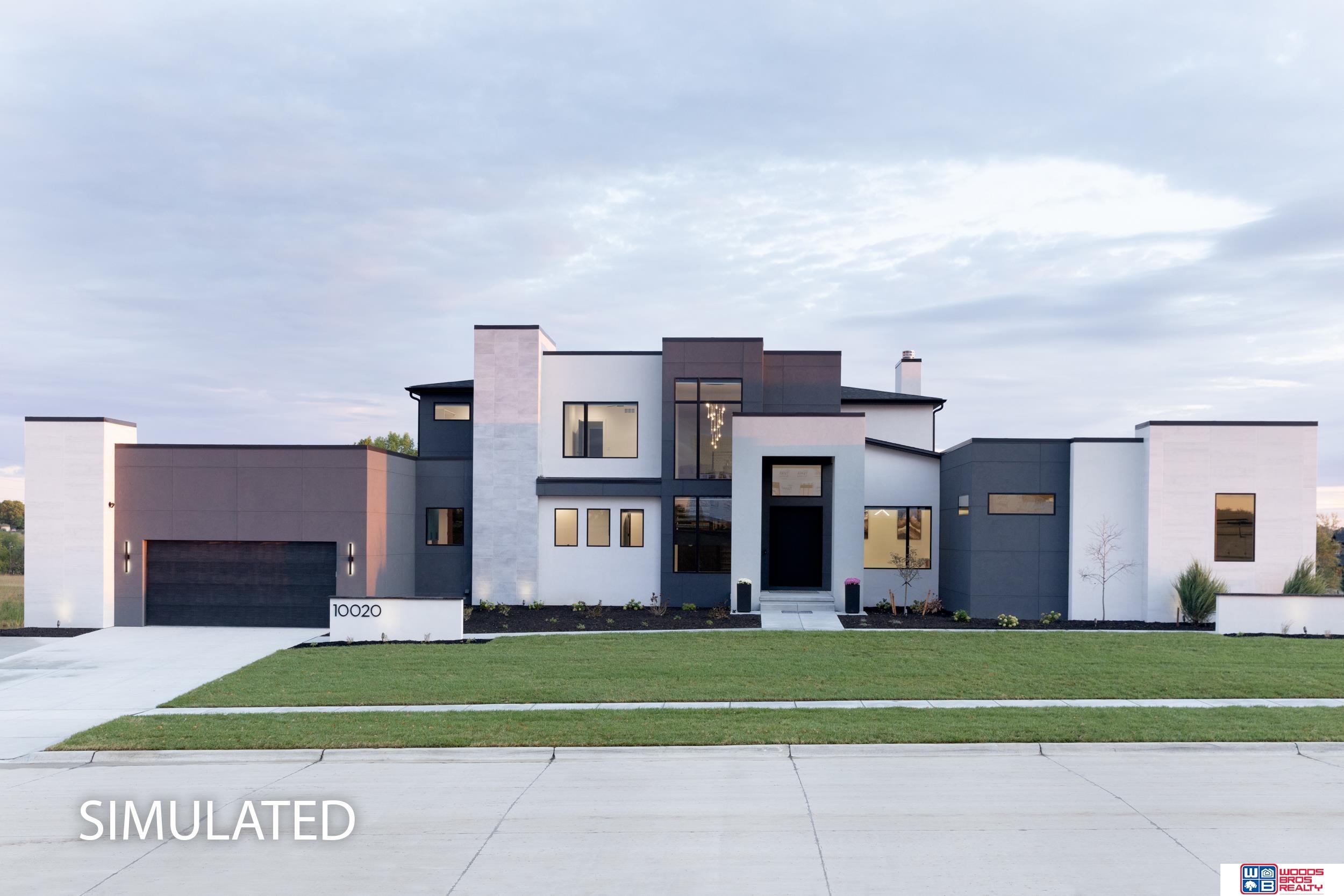
Continued residential growth gives buyers opportunities to explore newer construction, substantial custom residences, contemporary layouts, current finishes, and recently developed settings.
Downtown and Haymarket-area homes can pair residential space with restaurants, entertainment, events, arts, university activity, and many of Lincoln's most recognizable city destinations.
Lincoln's broader market can also include larger homesites, acreage, land, and residential properties offering more outdoor space than a traditional city lot.
Exploring Lincoln
A Lincoln home search becomes much more useful when buyers understand the different settings available around the city. Historic districts, contemporary redevelopment, mature neighborhoods, and newer growth areas each contribute something different to Lincoln's residential landscape.
Downtown Lincoln
The Historic Haymarket is one of Lincoln's most recognizable districts, combining brick streets and historic warehouse architecture with restaurants, shops, entertainment, events, hotels, offices, and residential spaces.
Its location next to Downtown Lincoln and the University of Nebraska-Lincoln creates an urban setting where housing can be closely connected to entertainment, cultural destinations, university activity, major events, and the city's central business district.
Contemporary Lincoln
The Telegraph District offers a more contemporary expression of city living. Redeveloped buildings, apartments, restaurants, local businesses, offices, and gathering spaces have transformed the area into one of Lincoln's evolving urban districts.
For buyers who enjoy seeing older city spaces reimagined for modern use, Telegraph provides an interesting contrast to both historic Haymarket and Lincoln's traditional residential neighborhoods.
Established Lincoln
Near South highlights another side of Lincoln, with historic residential character, older architecture, established streets, local restaurants, small businesses, parks, gardens, and convenient access to central-city destinations.
Buyers who appreciate mature surroundings and homes with an established sense of place may find this part of Lincoln very different from the city's newer residential edges.
Northwest Lincoln
Fallbrook represents a newer side of northwest Lincoln, where residential development is paired with a town-center-style mix of restaurants, businesses, shops, services, and neighborhood amenities.
It helps illustrate how Lincoln's growth areas can create a different residential experience from both the historic core and long-established central neighborhoods.
Parks, Trails & Open Space
Lincoln's outdoor network is one of the clearest ways to understand the city's scale and quality of life. Parks, natural areas, golf, playgrounds, paved trails, multi-use routes, and large destination green spaces extend throughout the community.
Rather than relying on one major park, Lincoln's recreation system spreads outdoor opportunities across the city while also including exceptionally large natural areas such as Pioneers Park and Wilderness Park.
Signature Lincoln Green Spaces
Lincoln's largest outdoor destinations provide an impressive counterpoint to the city's urban districts, established neighborhoods, university campus, and commercial centers.
Pioneers Park spans approximately 668 acres and combines open landscapes, trails, public art, recreation, Pinewood Bowl Theater, and the Pioneers Park Nature Center within one of Lincoln's most expansive outdoor settings.
The Nature Center introduces prairie, woodland, wetland, and wildlife habitat along miles of trails, giving residents access to a more natural landscape without leaving the broader Lincoln community.
For buyers, Pioneers Park helps illustrate how much open space exists within Nebraska's capital. Lincoln can offer city amenities and cultural activity while still maintaining large areas devoted to recreation and natural landscapes.
Wilderness Park is Lincoln's largest park, covering roughly 1,472 acres along the Salt Creek floodplain. Its woodland, prairie, wetland areas, and extensive multi-use trail system create a setting that feels remarkably removed from the city despite remaining within Lincoln.
More than 30 miles of trails wind through the park, creating opportunities for walking, running, cycling, horseback riding, nature observation, and time outdoors within a large preserved landscape.
The park gives southwest Lincoln another layer of identity and demonstrates the range of experiences available to residents beyond traditional neighborhood parks.
University & Capital City Life
The University of Nebraska-Lincoln is deeply connected to the city's identity. As Nebraska's flagship public university and a Big Ten institution, UNL brings collegiate athletics, research, performances, museums, exhibitions, lectures, and campus events into the rhythm of everyday Lincoln life.
Its downtown campus also sits close to the Historic Haymarket, restaurants, entertainment venues, cultural institutions, and major event spaces, helping connect university activity with the city's central districts.
Lincoln's role as Nebraska's state capital adds another layer. Government, education, healthcare, business, technology, arts, recreation, and university activity all contribute to a city that functions as much more than a residential center.
Lincoln Real Estate
Lincoln's housing variety allows buyers to begin with the lifestyle they want rather than limiting a search to one property type. Established homes, luxury residences, downtown condos, new construction, acreage, and land can each support a very different way of living.
01
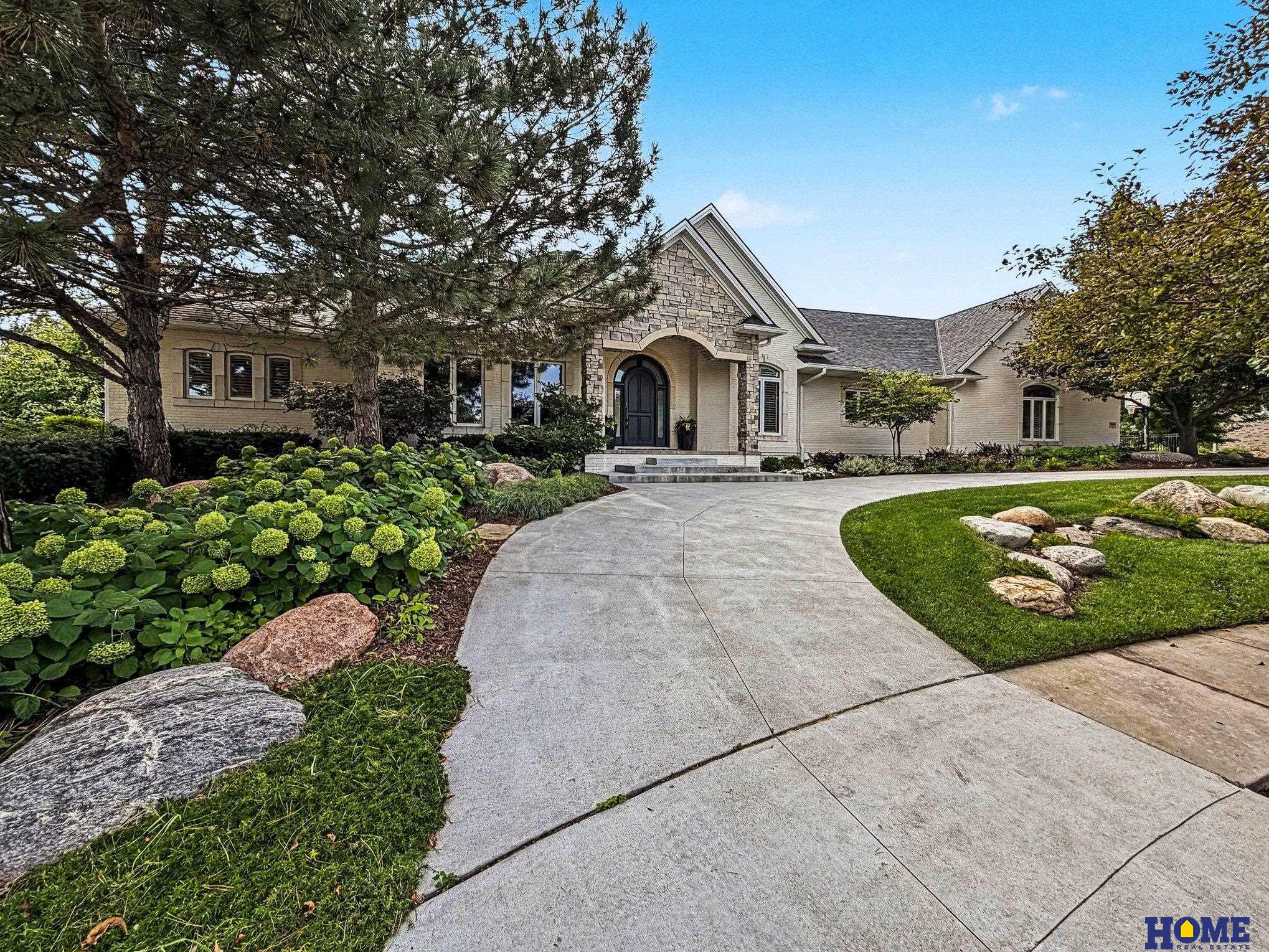
Mature Lincoln neighborhoods offer buyers opportunities to explore existing architecture, established landscaping, traditional streetscapes, and homes already integrated into long-standing parts of the city.
02
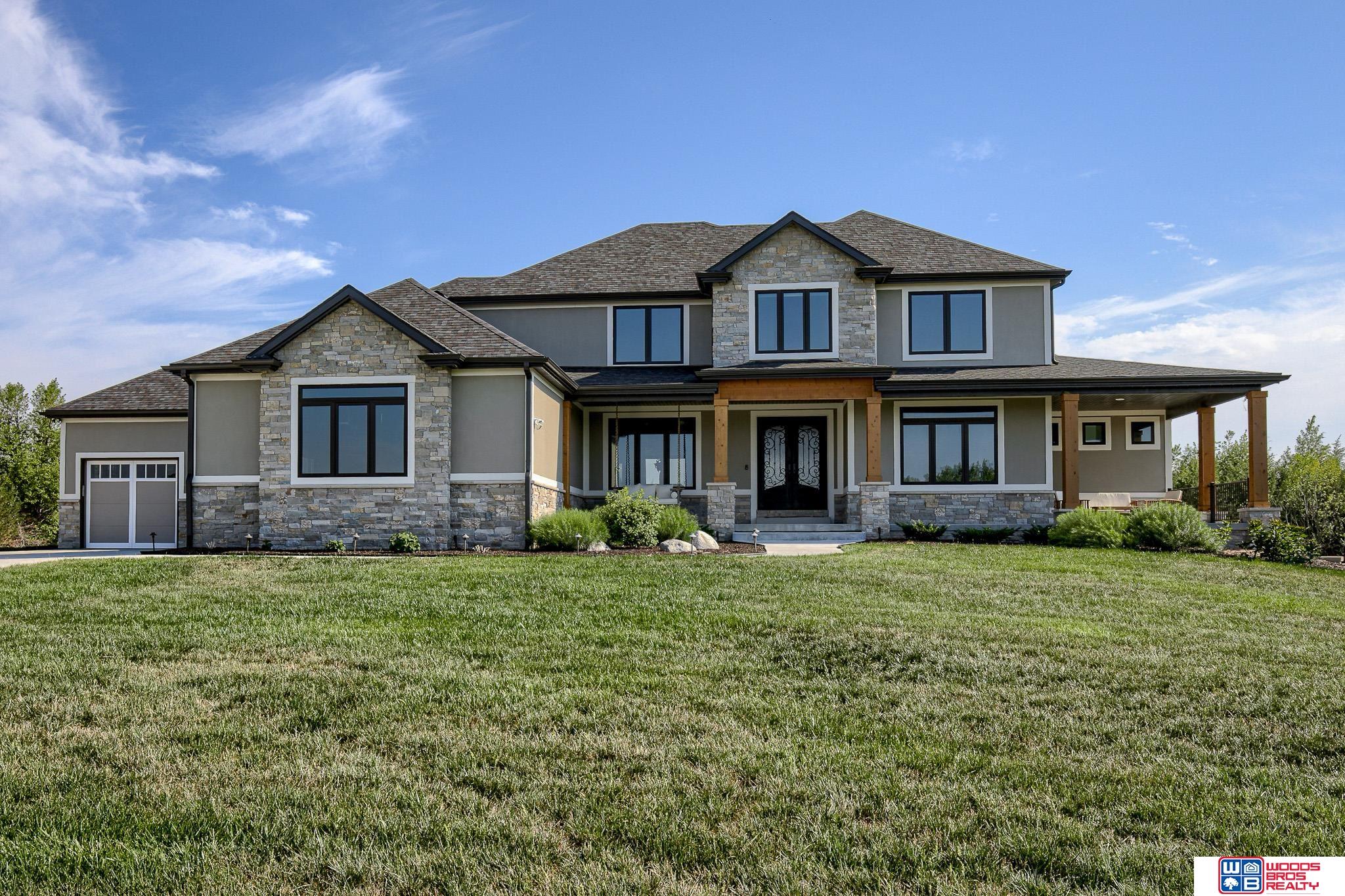
Lincoln's upper end can include substantial custom homes, estate-style properties, expansive interiors, large lots, extensive outdoor spaces, and residences designed around a more elevated level of everyday living.
03
Buyers interested in a more urban lifestyle can explore condominium and residential opportunities closer to Downtown, Haymarket, university activity, entertainment, dining, and cultural destinations.
04
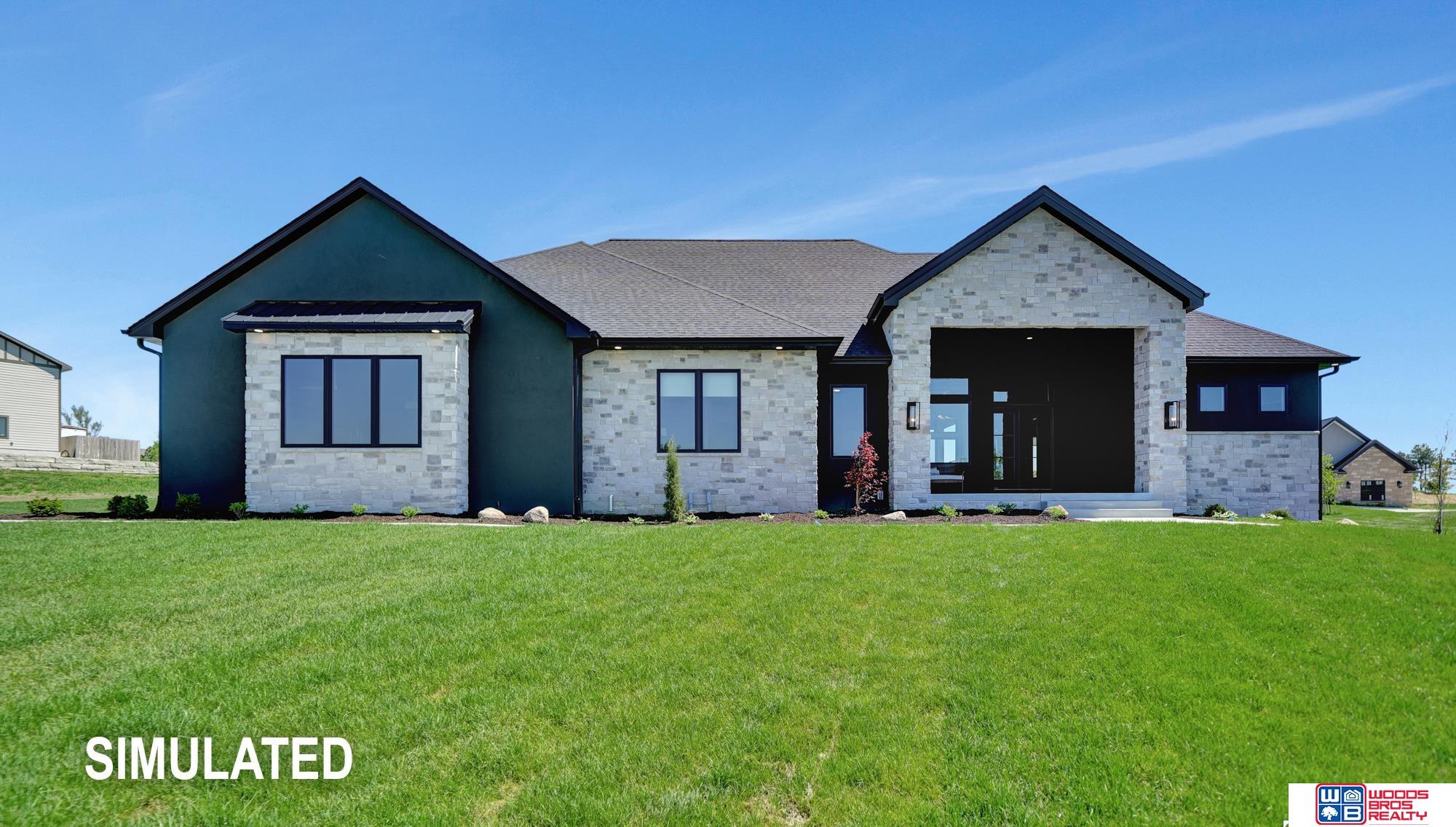
Newer Lincoln communities expand the market with contemporary floor plans, current finishes, open living spaces, custom design opportunities, and homes built around modern residential priorities.
05
Buyers looking beyond the standard subdivision lot can also explore acreage, larger homesites, and land around the Lincoln market, creating more flexibility around space, privacy, outdoor living, and future home design.
Choosing Your Lincoln Setting
Lincoln is large enough that location can meaningfully change the feel of a home search. A downtown condominium offers a very different experience from a substantial south Lincoln residence, a historic central-city home, newer construction on the edge of town, or an acreage property with additional land.
Buyers may want to think first about the everyday setting: established or new, urban or more private, close to trails or downtown destinations, traditional lot or acreage, completed home or custom building opportunity.
Summit Real Estate's Lincoln team can help buyers explore those differences while keeping the focus on the homes and locations that best align with the way they actually want to live.
Lincoln FAQ
These questions offer a useful starting point for buyers comparing Lincoln neighborhoods, home styles, urban living, newer construction, acreage, and land.
Lincoln's market can include established single-family homes, luxury residences, downtown condominiums, newer construction, custom homes, acreage properties, residential lots, and land. The available mix changes with current inventory.
Lincoln has several areas where older architecture and established streets remain an important part of the surroundings. Historic Haymarket is the city's best-known historic commercial district, while areas such as Near South showcase older residential character closer to central Lincoln.
Historic Haymarket is a mixed-use district near Downtown Lincoln and the University of Nebraska-Lincoln. It combines historic warehouse architecture and brick streets with restaurants, shops, entertainment, events, businesses, and residential spaces.
Telegraph District is an evolving urban district east of Downtown Lincoln where redevelopment has introduced apartments, restaurants, offices, businesses, and gathering spaces within a contemporary mixed-use setting.
Yes. Depending on current inventory, Lincoln's market can include substantial custom residences, estate-style properties, large homes with extensive living space, luxury condominiums, and homes on larger residential sites.
Yes. Lincoln and the surrounding market can include acreage, larger homesites, residential lots, and land. These options can appeal to buyers who want more outdoor space or who would rather begin with a site for a future home.
Lincoln maintains an extensive park and trail system with more than 160 parks, over 185 miles of trails, golf, playgrounds, recreation facilities, natural areas, and major destinations including Pioneers Park and Wilderness Park.
Summit Real Estate's property search provides access to current Lincoln listings. Buyers interested in acreage, future homesites, or larger parcels can also explore Summit's land listings.
Summit Real Estate | Lincoln
From established neighborhoods and downtown residences to luxury homes, new construction, acreage, and land, Lincoln offers buyers an unusually broad range of ways to live. Explore the market with a Summit Real Estate team that has a local Lincoln presence and understands the city's changing residential landscape.
301,026 people live in Lincoln, where the median age is 34.6 and the average individual income is $40,124. Data provided by the U.S. Census Bureau.
Total Population
Median Age
Population Density Population Density This is the number of people per square mile in a neighborhood.
Average individual Income
There's plenty to do around Lincoln, including shopping, dining, nightlife, parks, and more. Data provided by Walk Score and Yelp.
Explore popular things to do in the area, including Lula Mae's Kitchen, Kabredlo's Convenience Stores, and Al-Foorat.
| Name | Category | Distance | Reviews |
Ratings by
Yelp
|
|---|---|---|---|---|
| Dining | 0.11 miles | 0 reviews | 0/5 stars | |
| Dining | 0.21 miles | 0 reviews | 0/5 stars | |
| Dining | 0.29 miles | 0 reviews | 0/5 stars | |
| Dining | 0.29 miles | 1 review | 3/5 stars | |
| Dining | 0.31 miles | 0 reviews | 0/5 stars | |
| Dining | 0.37 miles | 0 reviews | 0/5 stars | |
| Dining | 0.64 miles | 26 reviews | 4.9/5 stars | |
| Dining | 0.71 miles | 0 reviews | 0/5 stars | |
| Dining | 0.75 miles | 0 reviews | 0/5 stars | |
| Dining | 0.82 miles | 0 reviews | 0/5 stars | |
| Dining | 0.82 miles | 0 reviews | 0/5 stars | |
| Shopping | 0.31 miles | 0 reviews | 0/5 stars | |
| Shopping | 0.66 miles | 0 reviews | 0/5 stars | |
| Active | 0.19 miles | 0 reviews | 0/5 stars | |
| Active | 0.3 miles | 0 reviews | 0/5 stars | |
| Active | 0.37 miles | 2 reviews | 3/5 stars | |
| Active | 0.63 miles | 0 reviews | 0/5 stars | |
| Active | 0.63 miles | 0 reviews | 0/5 stars | |
| Active | 0.76 miles | 0 reviews | 0/5 stars | |
| Beauty | 0.19 miles | 0 reviews | 0/5 stars | |
| Beauty | 0.32 miles | 0 reviews | 0/5 stars | |
| Beauty | 0.33 miles | 0 reviews | 0/5 stars | |
| Beauty | 0.78 miles | 0 reviews | 0/5 stars | |
| Beauty | 0.87 miles | 0 reviews | 0/5 stars | |
|
|
||||
|
|
||||
|
|
||||
|
|
||||
|
|
||||
|
|
Lincoln has 123,938 households, with an average household size of 2.4881818181818183. Data provided by the U.S. Census Bureau. Here’s what the people living in Lincoln do for work — and how long it takes them to get there. Data provided by the U.S. Census Bureau. 301,026 people call Lincoln home. The population density is 3,004 and the largest age group is Data provided by the U.S. Census Bureau.
Total Population
Population Density Population Density This is the number of people per square mile in a neighborhood.
Median Age
Men vs Women
Population by Age Group
0-9 Years
10-17 Years
18-24 Years
25-64 Years
65-74 Years
75+ Years
Education Level
Total Households
Average Household Size
Average individual Income
Households with Children
With Children:
Without Children:
Marital Status
Blue vs White Collar Workers
Blue Collar:
White Collar: