Wondering whether Lincoln feels more like a busy college city or an easygoing Midwest community? The answer is a bit of both, and that balance is a big reason so many people find it appealing. If you’re thinking about moving, buying, or simply getting to know the area better, this guide will help you understand what daily life in Lincoln actually looks like. Let’s dive in.
Lincoln at a Glance
Lincoln is a mid-sized city with 301,522 residents as of the July 1, 2025 estimate. It offers a scale that feels active and connected without the pace many people associate with larger metro areas.
Daily routines are often manageable here. The U.S. Census Bureau reports a mean commute time of 18.4 minutes, along with a median household income of $71,867, median gross rent of $1,086, and a median owner-occupied home value of $264,000.
That combination helps explain Lincoln’s overall feel. You get the amenities, services, and cultural energy of a larger city, but many errands, commutes, and weekend plans can still feel relatively convenient.
Lincoln Neighborhoods Feel Distinct
One of the most noticeable things about living in Lincoln is that it does not feel like one uniform place. City and county planning documents describe neighborhoods as one of Lincoln’s core strengths, with differences in architecture, housing types, and layout shaping how each area feels.
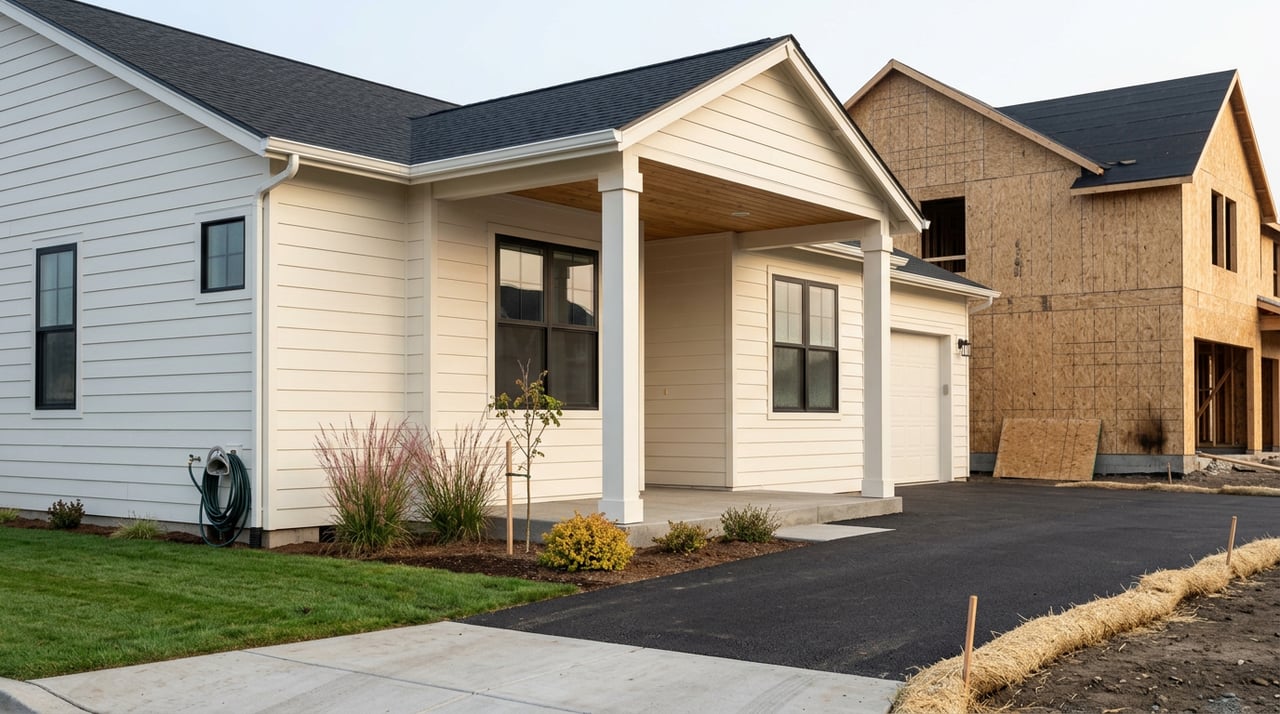
In older parts of the city, you’ll often see more established streetscapes and a stronger sense of historic layering. In newer-growth areas, the pattern tends to feel more planned, with a focus on housing variety, pedestrian connections, and nearby commercial or employment space.
Lincoln’s official neighborhood guide highlights places like Historic Haymarket, Downtown, Telegraph District, University Place, College View, Near South, Havelock, Fallbrook, and Meadowlane. That variety gives you room to think about what kind of environment fits your routine, whether you want something closer to the urban core, a neighborhood with historic character, or a newer area with a town-center feel.
Housing Options Across Lincoln
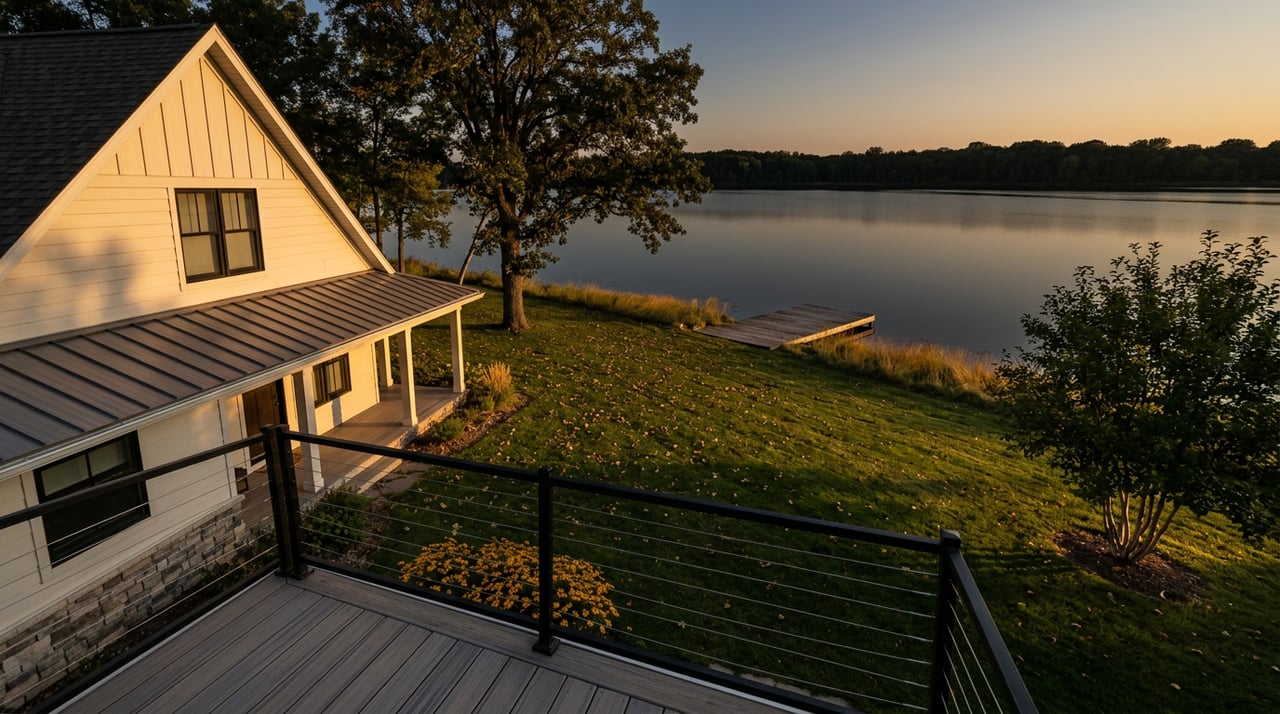
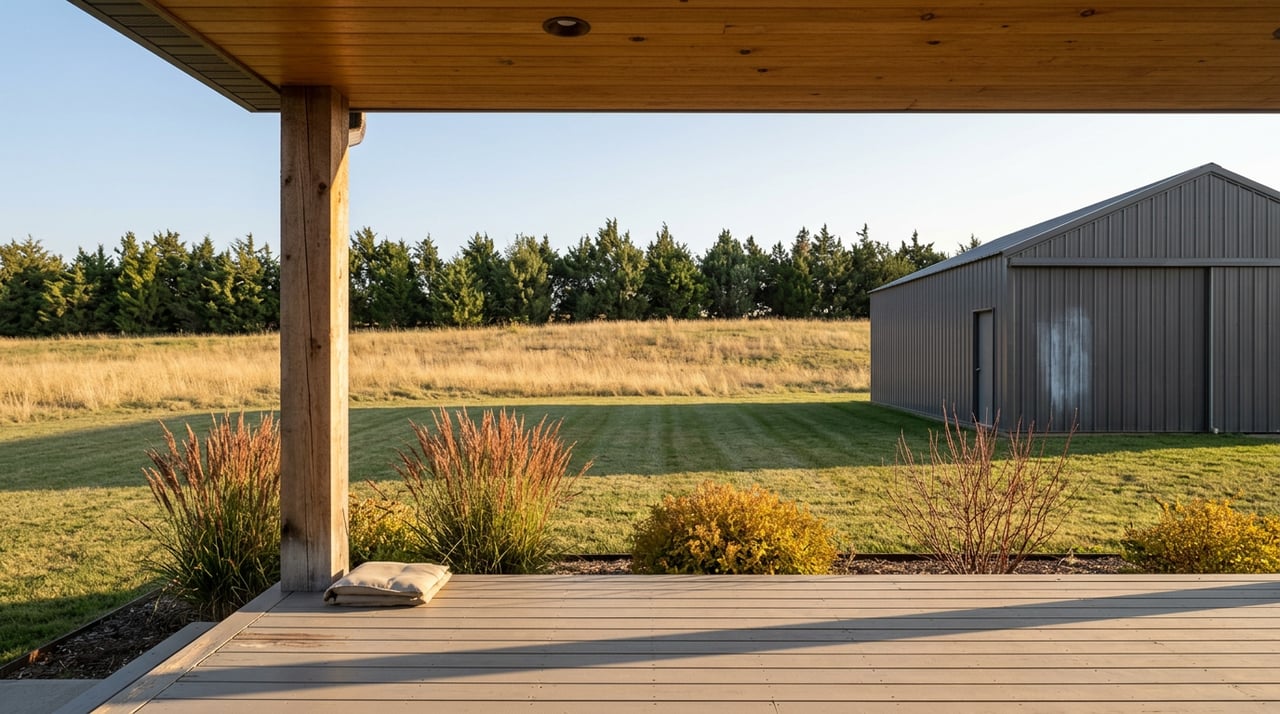
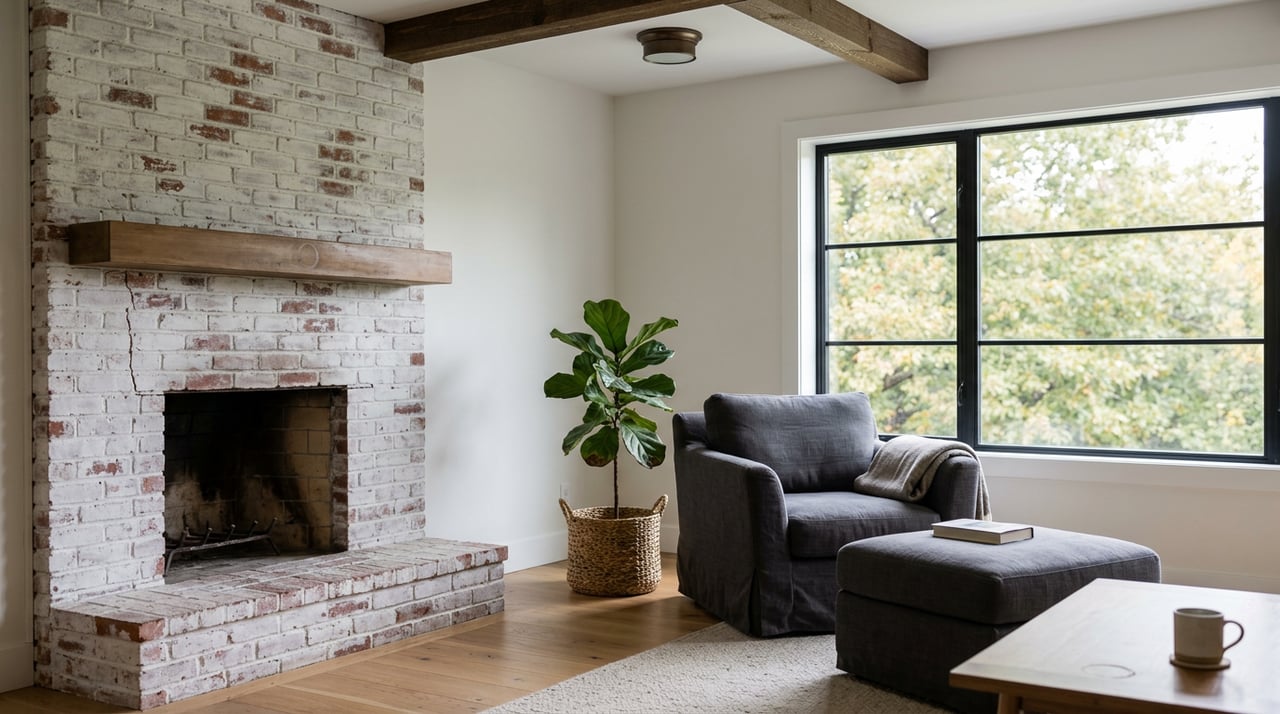
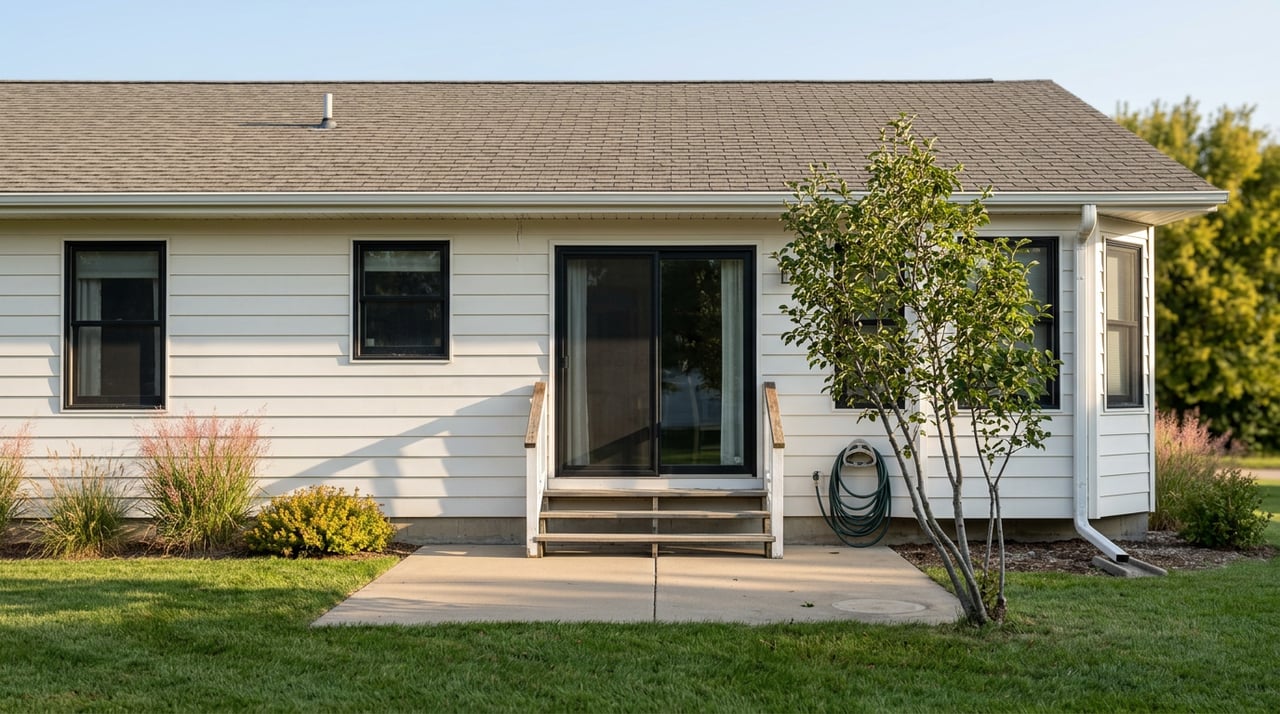
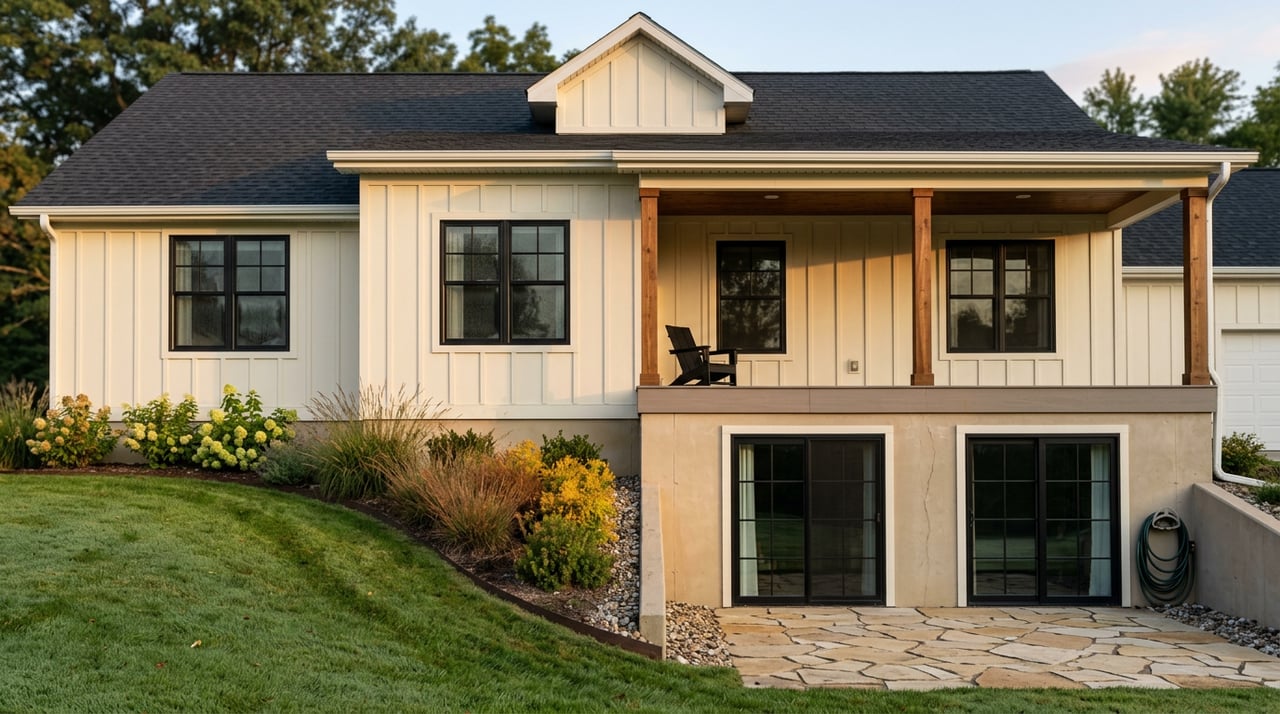
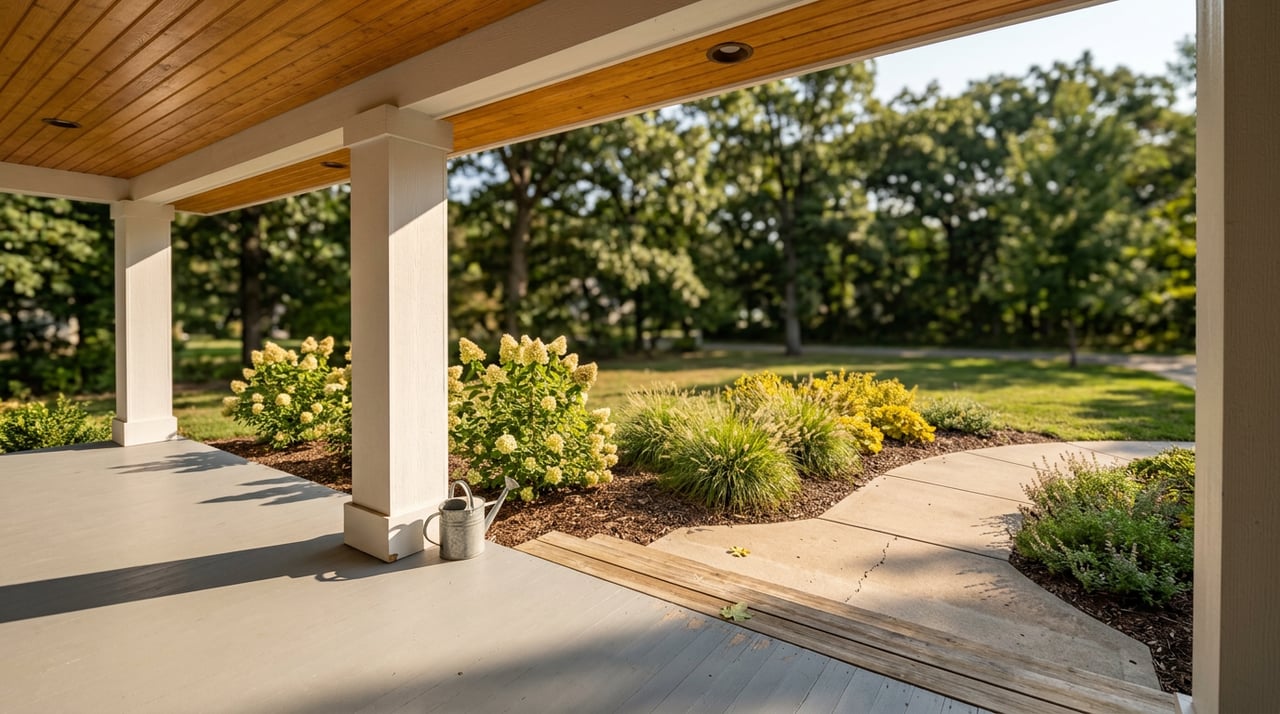
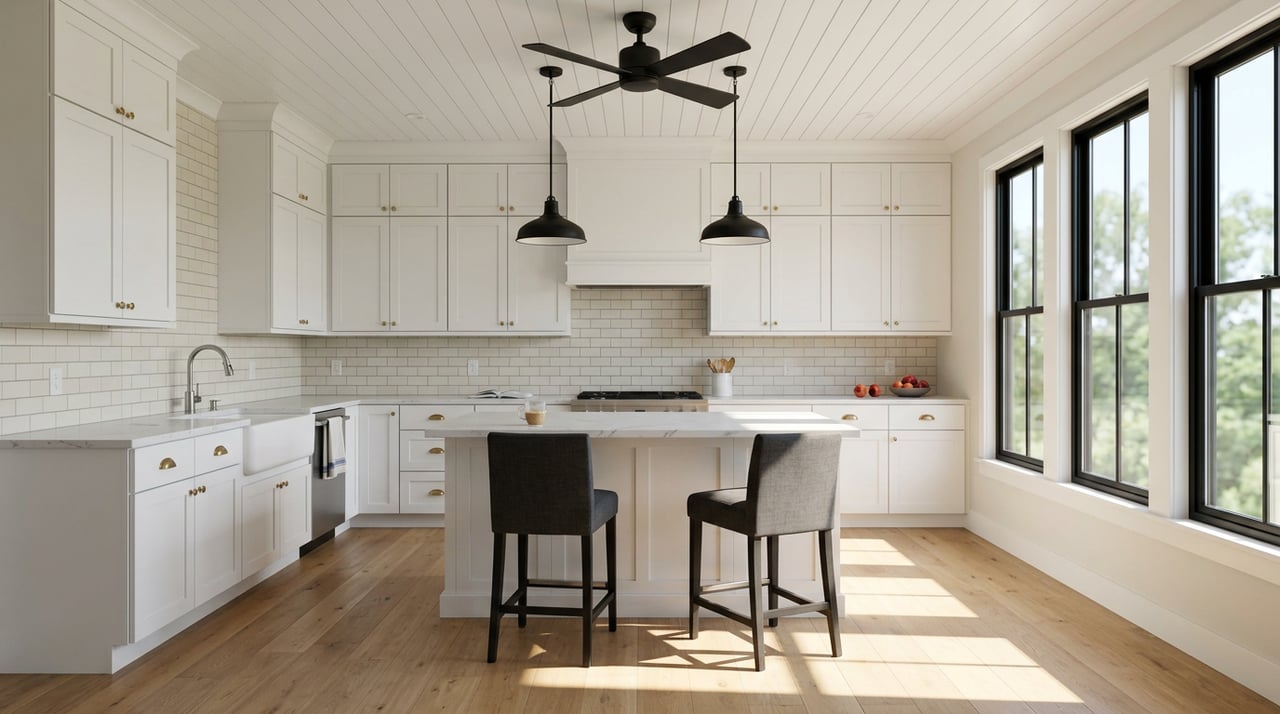
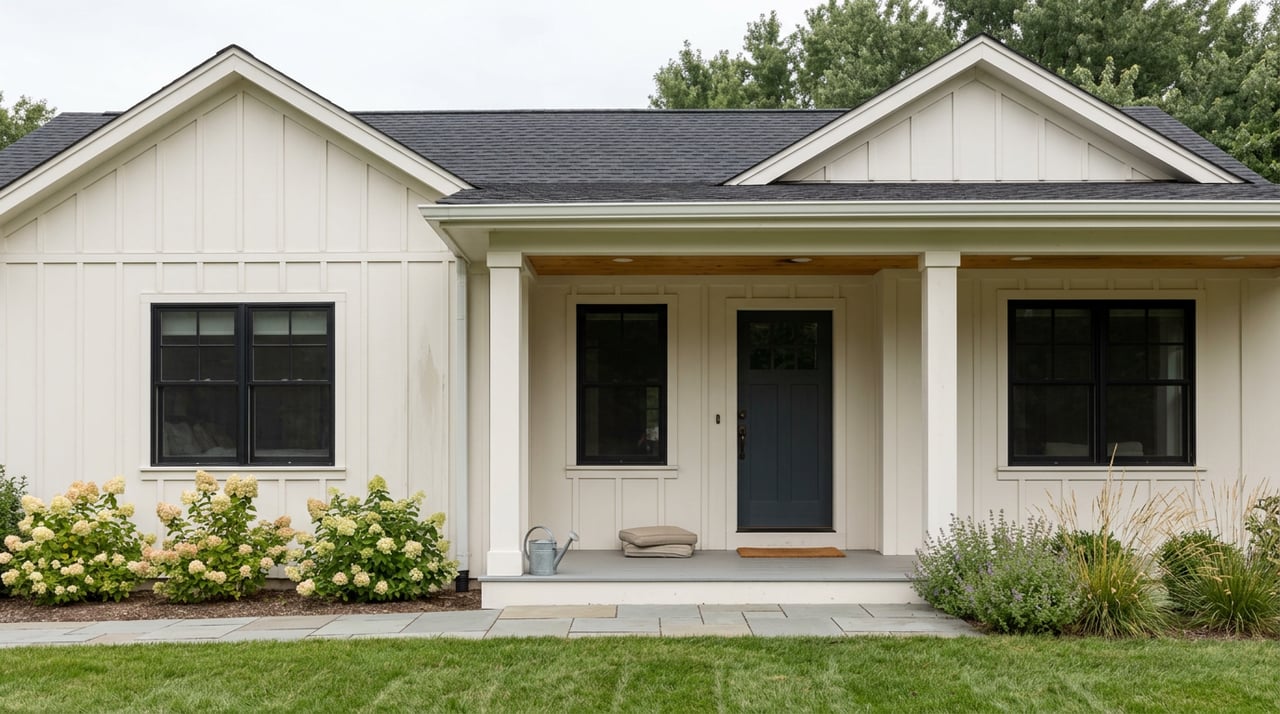
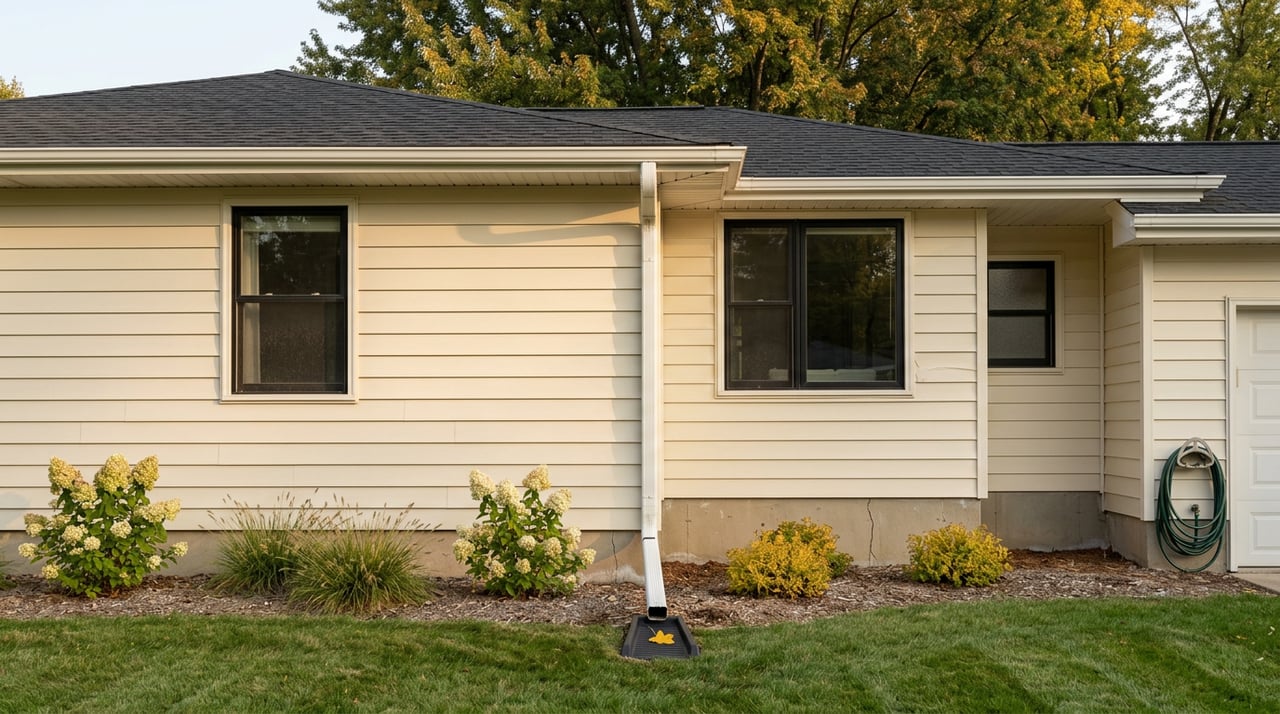
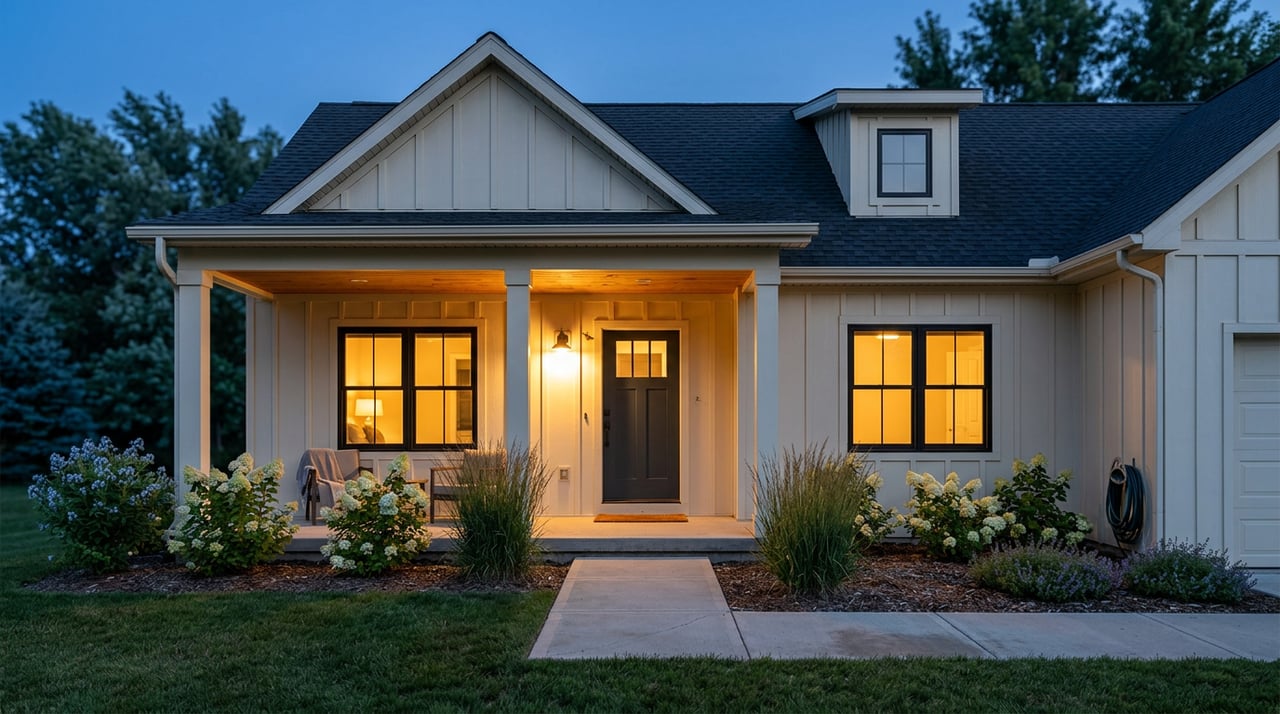
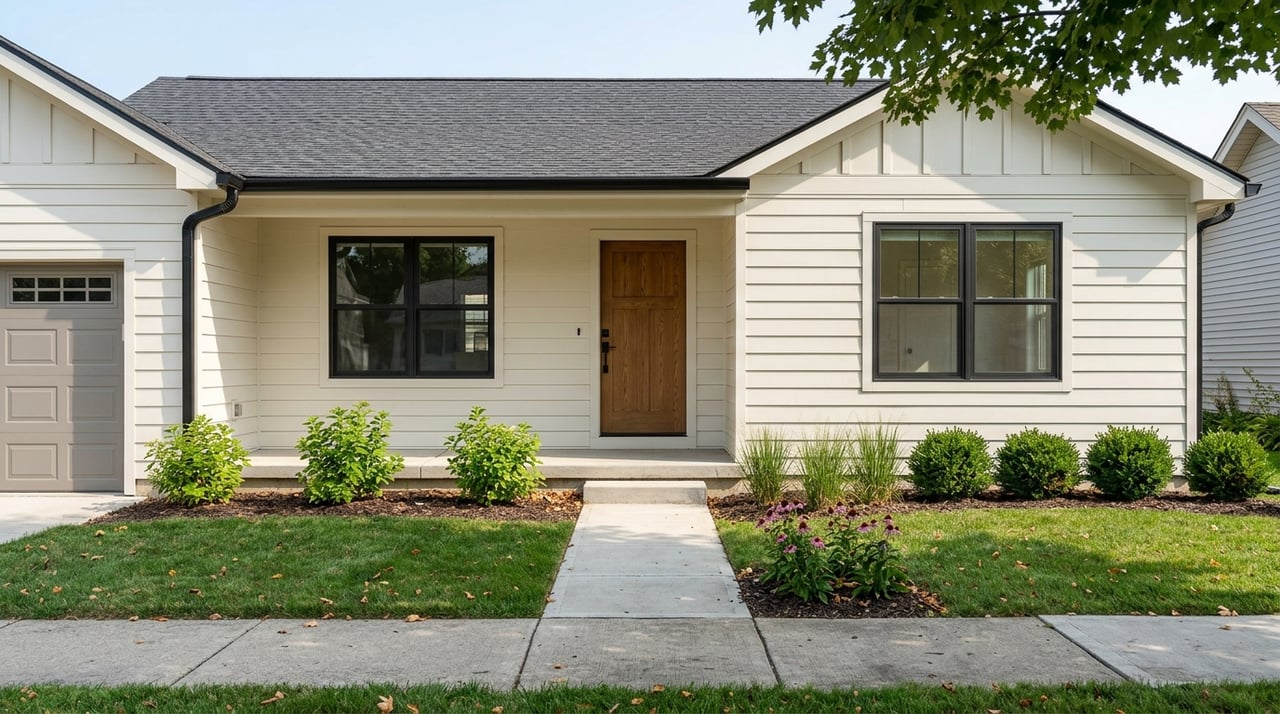
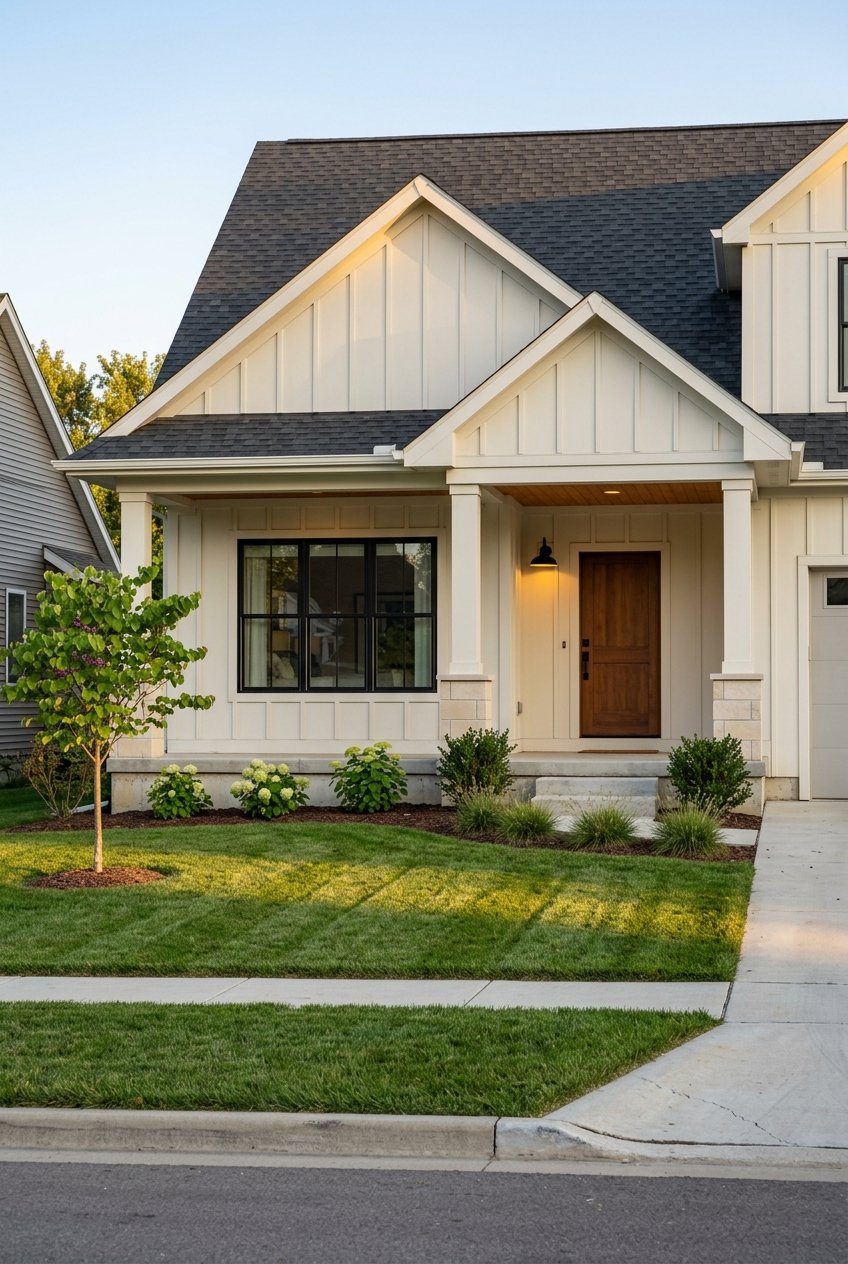
If you’re exploring homes in Lincoln, you’ll find a housing mix that spans both older and newer styles. The city describes Lincoln as blending historic allure with modern energy, and that shows up clearly in its housing stock.
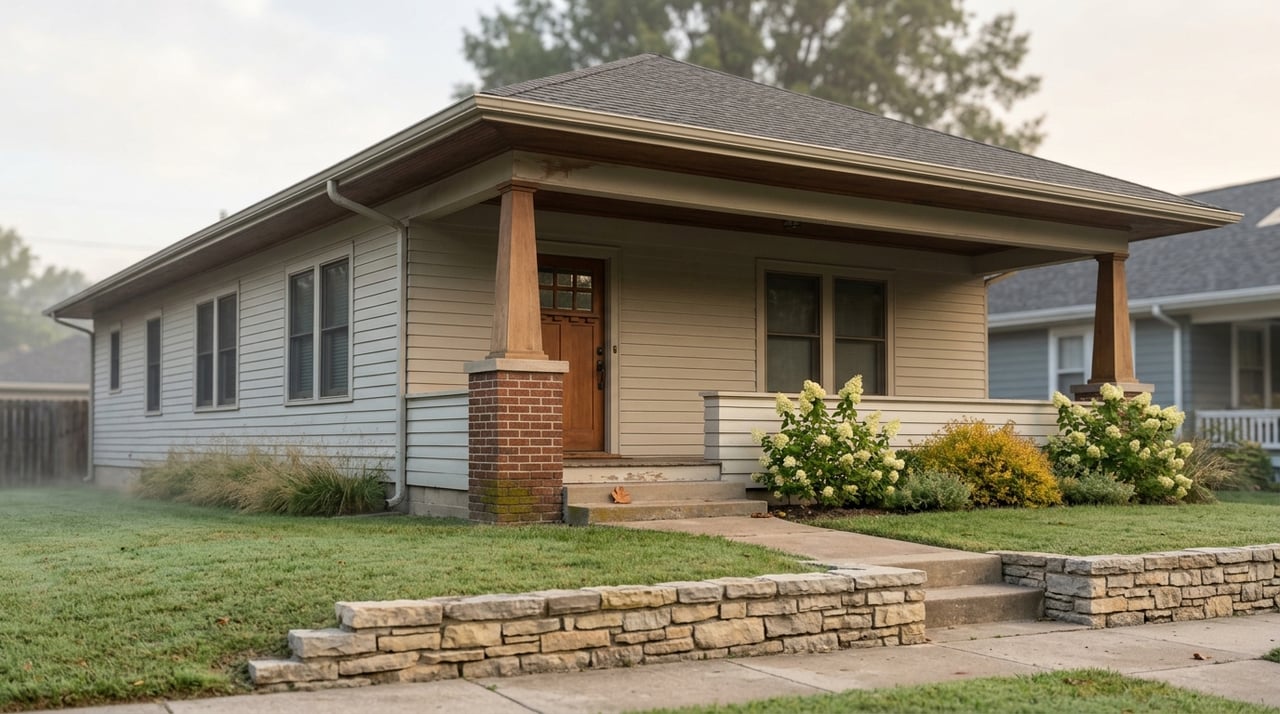
The city’s historic preservation work points to homes and building forms dating from roughly the 1890s through the 1940s. Example home styles include American Four Square, Craftsman Bungalow, and Tudor Revival, which help explain why some established neighborhoods have such a recognizable character.
At the same time, Lincoln’s planning guidance supports a broad range of housing types. Depending on the area, that can include:
- Single-family homes
- Duplexes
- Attached single-family homes
- Row houses
- Apartments
- Triplexes
- Zero-entry homes
- Accessory dwelling units
This range matters if your needs are changing. You may be looking for a first home, a lower-maintenance option, more space, or a property in an area that feels more established or more recently developed.
Outdoor Living Is Part of Everyday Life
For many residents, Lincoln’s outdoor access is not just a weekend perk. It is part of the city’s everyday rhythm.
Lincoln Parks & Recreation reports 168 parks and 185 miles of trails, along with 97 playgrounds, nine public pools, six recreation centers, five golf courses, and five dog runs. The city also notes that the trail system is used heavily for daily life, not only for recreation.
That means outdoor time can be simple to work into your routine. A neighborhood walk, a bike ride, a playground stop, or a trail outing can feel accessible in many parts of the city.
Major Parks and Nature Areas
Several larger destinations help define what outdoor living in Lincoln looks like.
Pioneers Park Nature Center covers 668 acres and includes more than 10 miles of hiking trails. It also serves as a wildlife sanctuary and environmental education center, with prairie, woodland, and wetland habitats.
Wilderness Park is the city’s largest park at 1,472 acres. The city identifies it as a conservation area and floodplain park in southwest Lincoln, making it a major part of the local outdoor landscape.
Holmes Lake Park offers 269.59 park acres and a 110-acre reservoir, plus shelters, ballfields, playgrounds, and a golf course nearby. It is the kind of place that supports a wide range of casual and active use.
Antelope Park includes the Sunken Gardens, Veterans Memorial Garden, Hamann Rose Garden, and the city’s largest playground area. Nearby, Sunken Gardens stands out as a free public garden with more than 30,000 annuals and changing annual themes.
Dining, Arts, and Local Culture
Lincoln’s culture is shaped in large part by its districts rather than one single entertainment zone. Different parts of the city bring their own mix of dining, shopping, and atmosphere.
Downtown Lincoln plays a central role in that story. The official downtown guide describes it as a hub for culture, cuisine, and entertainment, and it is located close to the University of Nebraska–Lincoln campus.
Downtown also has the city’s largest network of art galleries. If you enjoy recurring community events, First Friday Artwalks take place on the first Friday of every month, adding a steady rhythm to the local arts scene.
Dining options across downtown and nearby districts include a broad mix of cuisines and casual gathering spots. According to downtown directories, you’ll find coffee shops, bakeries, breweries, and restaurants representing Indian, Mexican, sushi, barbecue, Mediterranean, pizza, and more.
Districts With Different Personalities
Part of what makes Lincoln interesting is how each district contributes something different.
The Historic Haymarket is known for its historic market-square identity, along with shops, restaurants, and gathering spaces. It also hosts the Historic Haymarket Farmers’ Market weekly on Saturdays from May 2 to October 10, 2026.
University Place has an arts-oriented feel near Nebraska Wesleyan. Havelock is known for its historic business district and small-town feel, while College View blends historical charm with contemporary energy.
Near South is noted for older character and nearby garden and zoo access. Fallbrook, in northwest Lincoln, presents as a newer neighborhood with a town-center feel.
Getting Around Lincoln
Lincoln offers several ways to move through the city, depending on your routine and where you live. For many residents, driving remains part of daily life, but the city also supports other options.
StarTran is Lincoln’s city-owned transit system and the city’s only mass transit carrier. It provides fixed-route bus service, VanLNK on-demand shared rides, mobile ticketing, wheelchair-accessible regular routes, reduced-fare options, and a pass program for UNL students.
That makes transit a practical option for some residents, especially around central Lincoln and the university corridor. Combined with the city’s trail network and relatively short average commute, Lincoln can offer flexibility in how you structure day-to-day life.
What Living in Lincoln Often Feels Like
If you sum it up, Lincoln tends to offer a lifestyle built on balance. You have a downtown and campus spine that brings activity, events, dining, and arts, but you also have neighborhoods with different housing styles, parks woven into everyday routines, and practical commute times.
It can feel historically rooted in one part of town and more recently planned in another. That variety is one of Lincoln’s biggest strengths because it gives you more than one way to feel at home here.
If you’re thinking about making a move in Lincoln, working with a local team can help you narrow down the neighborhoods, housing styles, and day-to-day lifestyle that fit you best. Connect with Summit Real Estate for thoughtful, local guidance as you explore your next move.
FAQs
What is the population of Lincoln, Nebraska?
- Lincoln has 301,522 residents based on the July 1, 2025 estimate.
What is the average commute time in Lincoln, Nebraska?
- The U.S. Census Bureau reports a mean commute time of 18.4 minutes in Lincoln.
What kinds of homes can you find in Lincoln, Nebraska?
- Lincoln includes a mix of housing types such as single-family homes, duplexes, attached homes, row houses, apartments, triplexes, zero-entry homes, and accessory dwelling units, with older areas showing more historic styles and newer areas reflecting more recent planning.
How many parks and trails are in Lincoln, Nebraska?
- Lincoln Parks & Recreation reports 168 parks and 185 miles of trails across the city.
What are some popular outdoor places in Lincoln, Nebraska?
- Notable outdoor destinations include Pioneers Park Nature Center, Wilderness Park, Holmes Lake Park, Antelope Park, and Sunken Gardens.
What is downtown Lincoln like for dining and culture?
- Downtown Lincoln serves as a hub for culture, cuisine, entertainment, and art galleries, with recurring events like First Friday Artwalks and a wide mix of dining options.
Does Lincoln, Nebraska have public transportation?
- Yes. Lincoln’s public transit system, StarTran, offers fixed-route buses, on-demand shared rides through VanLNK, mobile ticketing, accessible routes, and reduced-fare options.